The key to navigating flu season with an autoimmune condition isn’t to aggressively « boost » immunity, but to strategically support its function by improving your metabolic health and reducing your baseline inflammation.
- Chronic stress and poor blood sugar control can « stun » immune cells, making you more vulnerable to viruses.
- Certain functional foods and targeted supplements are scientifically shown to help modulate the immune response, while some popular wellness trends lack evidence.
Recommendation: Prioritize stabilizing blood sugar through diet and managing stress through adequate sleep and recovery over simply adding more supplements.
For individuals with autoimmune conditions, the arrival of flu season brings a unique set of challenges. The common advice to « boost » the immune system can feel counterintuitive when your own immune system is the source of chronic issues. The primary concern is not just avoiding a virus, but preventing an infection from triggering a significant flare-up of your underlying condition. Many turn to generic advice like increasing Vitamin C or getting more rest, which, while beneficial, often fails to address the specific needs of a misdirected immune system.
From an immunological perspective, the goal is not to stimulate an already overactive system but to promote immune modulation and resilience. This means creating an internal environment where your immune cells can effectively fight off a pathogen without overreacting and causing collateral damage. The real key lies beyond surface-level tips and extends into the core of your body’s operating system: your metabolic health and physiological signaling pathways. It’s about ensuring your immune cells are well-fueled and receiving the right commands.
This article will guide you through evidence-based strategies tailored for autoimmune defense. We will explore how to use functional foods, understand the real impact of exercise and stress, and make informed choices about supplements. Instead of a blanket approach, you will learn how to fine-tune your lifestyle to support, not provoke, your body’s complex defense network, ensuring you are as prepared as possible for the seasonal viral challenges.
To navigate this complex topic, we have structured this guide to cover key lifestyle and dietary pillars. The following sections will provide a clear, science-backed roadmap to building a more resilient immune system.
Summary: A Strategic Approach to Autoimmune Health in Winter
- Dry Brushing and Rebounding: Do These Habits Actually Boost Immunity?
- Garlic and Ginger: How to Use Functional Foods to Fight Viral Infections?
- The « Open Window » Theory: Why Too Much HIIT Might Weaken Your Immune System?
- Zinc Picolinate vs Gluconate: Which Form Is Best for Shortening a Cold?
- Autoimmune Protocol (AIP): Is This Restrictive Diet Necessary for Everyone?
- The Cortisol Connection: How Stress Blocks Your Body from Burning Fat
- Blood Pressure Monitors: How Often Should You Check Your BP at Home?
- How to Improve Your Metabolic Health Without Medication in the UK?
Dry Brushing and Rebounding: Do These Habits Actually Boost Immunity?
In wellness circles, practices like dry brushing and rebounding (jumping on a mini-trampoline) are often promoted as powerful ways to « detoxify » the body and boost immunity by stimulating the lymphatic system. The theory is that these activities help move lymph fluid, which contains white blood cells, more efficiently, thus enhancing immune surveillance. The lymphatic system is indeed a critical highway for immune cells, but the claim that these specific habits provide a significant immunological advantage requires closer scrutiny.
This paragraph introduces the concept of stimulating the lymphatic system. To understand the technique, it is helpful to visualize the proper motion. The illustration below demonstrates the correct directional flow for this practice.
While moving your body through exercise is unequivocally beneficial for lymphatic flow, the specific, measurable impact of dry brushing is less clear. As the Healthy Living Benefits Research Team notes in their analysis, « No clinical data confirm that dry brushing meaningfully speeds up lymph clearance. » The primary benefits of dry brushing are more likely related to excellent skin exfoliation and a temporary increase in circulation at the skin’s surface, which can feel invigorating. Rebounding is a legitimate form of exercise that supports overall circulation, but it’s the physical activity itself, not a unique « rebounding effect, » that confers the benefit. For those with autoimmune conditions, gentle, consistent movement like walking or swimming is a more reliable way to support lymphatic health without overtaxing the system.
Garlic and Ginger: How to Use Functional Foods to Fight Viral Infections?
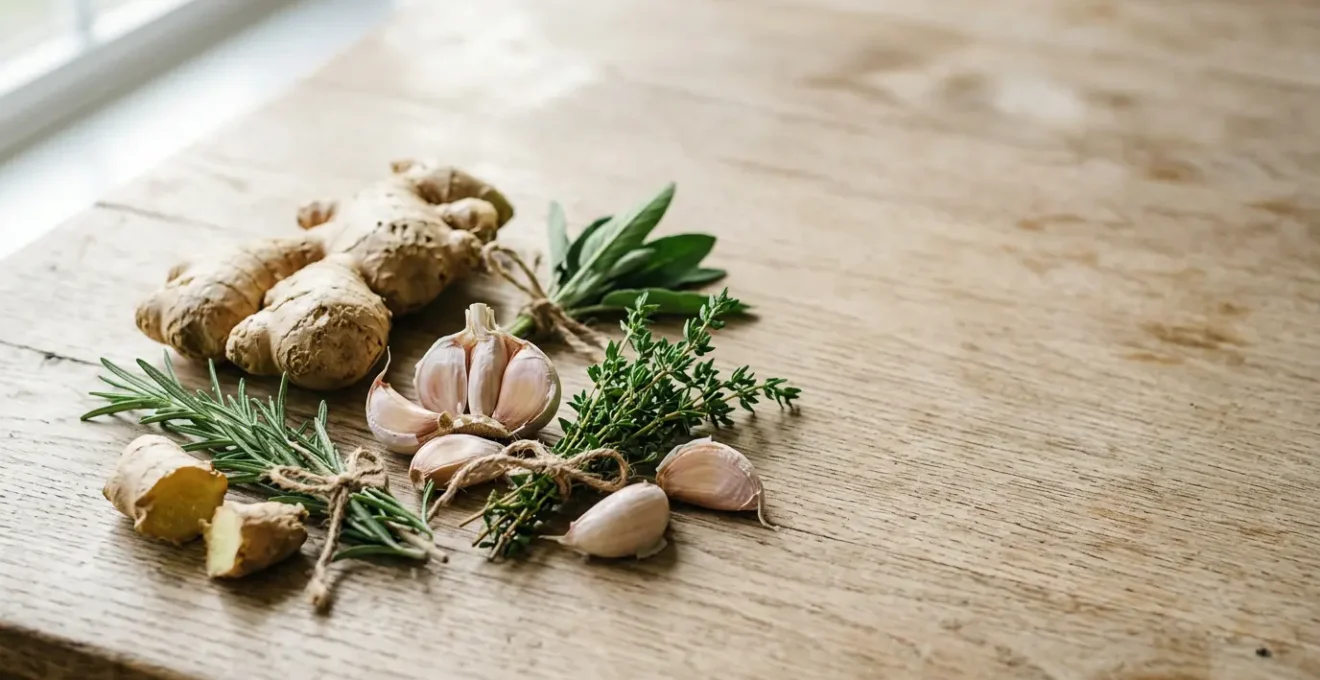
Unlike some wellness trends, the immune-supporting roles of certain functional foods are backed by robust scientific evidence. Garlic and ginger, staples in traditional medicine for centuries, contain powerful bioactive compounds that can directly influence immune responses. For someone with an autoimmune condition, using these foods is not about « boosting » the immune system into overdrive, but about leveraging their modulating and antiviral properties to help the body mount a more effective and controlled defense.
Garlic’s power comes from a compound called allicin, which is formed when a clove is crushed or chopped. Allicin has demonstrated significant antiviral and immunomodulatory effects. It doesn’t just attack viruses; it helps regulate the host’s immune pathways, preventing the kind of over-the-top inflammatory response that can be particularly damaging in autoimmune disease. Ginger contains gingerol, a compound with potent anti-inflammatory and antioxidant properties that can help soothe the body’s inflammatory baseline, making it less susceptible to an exaggerated response when a virus does strike.
Case Study: Allicin’s Activity Against Viral Infections
A 2021 study published in Frontiers in Microbiology provided compelling evidence for garlic’s role in viral defense. Researchers demonstrated that allicin exhibits both antiviral and immunomodulatory activity in cell cultures infected with SARS-CoV-2. The study found that allicin could revert host cellular pathways to the levels of uninfected cells, confirming its ability to help modulate the immune response at a proteome level rather than just indiscriminately stimulating it. This nuanced action is precisely what is beneficial for an autoimmune system.
To use these foods effectively, incorporate fresh, crushed garlic into meals toward the end of cooking to preserve the allicin. Freshly grated ginger can be added to teas, soups, or stir-fries. The goal is consistent, gentle dietary integration rather than mega-dosing, which helps support your body’s defenses without provoking them.
The « Open Window » Theory: Why Too Much HIIT Might Weaken Your Immune System?
For a busy person, high-intensity interval training (HIIT) can seem like the perfect solution for fitness. However, for those managing an autoimmune condition, more is not always better. The « Open Window » theory in exercise immunology describes a temporary period of depressed immunity following prolonged or particularly strenuous exercise. During this window, the body may be more susceptible to opportunistic infections—a significant risk during flu season.
This period of vulnerability occurs because intense exercise is a form of acute physiological stress. It temporarily suppresses the function of key immune cells, including Natural Killer (NK) cells, which are a first line of defense against viruses. While moderate exercise generally strengthens the immune system over time, pushing too hard, too often can backfire. According to research, this vulnerable period may last anywhere from 3 to 72 hours depending on the parameter measured, creating a significant gap in your defenses. For someone whose immune system is already dysregulated, this added stress can be particularly problematic.
As this image suggests, listening to your body and prioritizing recovery is just as important as the workout itself.
This doesn’t mean you should avoid exercise. It means you must be strategic. Instead of daily HIIT sessions, consider a balanced routine: 2-3 moderate-intensity workouts per week, coupled with restorative activities like yoga, walking, or tai chi. Monitoring your recovery is crucial. Pay attention to your sleep quality, energy levels, and resting heart rate. If you feel run down, it’s a signal to choose a gentle activity or a rest day, not to push through another intense workout. This approach closes the « open window » and ensures exercise serves as a supportive, not a depleting, force for your immune system.
Zinc Picolinate vs Gluconate: Which Form Is Best for Shortening a Cold?
When you feel the first signs of a cold, reaching for zinc is common advice. Zinc is an essential mineral for immune cell function, and a deficiency can severely impair your body’s ability to fight off pathogens. However, the supplement aisle presents a confusing array of options: zinc gluconate, picolinate, citrate, and more. For an individual focused on tangible results, understanding which form is most effective for the acute purpose of shortening a cold is key.
The primary mechanism by which zinc fights colds is believed to be by preventing the rhinovirus from multiplying in the nasal passages and throat. For this to work, the zinc must be in a form that can be released and act locally in the upper respiratory tract. This is why zinc lozenges are often recommended over pills for this specific purpose. The debate then shifts to the type of zinc within the lozenge.
While forms like zinc picolinate are often touted for superior absorption into the bloodstream for addressing a chronic deficiency, the evidence for shortening an acute cold often points elsewhere. A significant body of research has focused on zinc gluconate and zinc acetate. A meta-analysis of several studies found that using zinc gluconate lozenges at the onset of symptoms was effective. Specifically, the analysis indicated that these lozenges were able to achieve a 28 percent reduction in cold duration when taken correctly. The key is to start within 24-48 hours of the first symptoms and to use a lozenge that doesn’t contain citric acid or other ingredients that can bind to the zinc and prevent it from working effectively. Therefore, for the specific goal of shortening a cold, zinc gluconate lozenges appear to have the most substantial evidence.
Autoimmune Protocol (AIP): Is This Restrictive Diet Necessary for Everyone?
The Autoimmune Protocol (AIP) is an elimination diet designed to identify food triggers and reduce inflammation in individuals with autoimmune disease. It temporarily removes foods that are common culprits in triggering immune responses, such as grains, dairy, legumes, nuts, seeds, and nightshades. While it can be a profoundly effective tool, its restrictive nature can feel daunting and may not be necessary for everyone as a permanent lifestyle.
The true value of AIP is as a short-term diagnostic tool, not a life sentence. The goal is to lower your inflammatory baseline and then systematically reintroduce foods to discover your personal triggers. This concept of « bio-individuality » is central to managing autoimmunity; a food that is problematic for one person may be perfectly fine for another. During flu season, having a lower inflammatory burden can mean the difference between a mild illness and a severe flare-up. As AIP expert Mickey Trescott notes, this period is especially delicate.
Recovering from a cold or flu can be a major setback. Shortly after beginning the Autoimmune Protocol, I got the flu, and I was amazed how much progress I had lost in the month after I had recovered.
– Mickey Trescott, Cold And Flu Remedies For The Autoimmune Sufferer
Instead of committing to the full, long-term protocol, a modified or « AIP-Lite » approach can be a pragmatic strategy during the winter months. This might involve eliminating only the most common triggers, like gluten and dairy, for a few weeks to calm your system. The focus should be on flooding your body with nutrient-dense, anti-inflammatory foods like leafy greens, colorful vegetables, quality proteins, and healthy fats.
Your Action Plan: An « AIP-Lite » Approach for Flu Season
- Week 1: Eliminate gluten and refined sugar completely. Focus on whole foods and increase intake of fat-soluble vitamins A and D from sources like fatty fish and leafy greens.
- Week 2: Remove dairy products. Increase your intake of mineral-rich foods containing zinc (like shellfish or pumpkin seeds) and selenium (like Brazil nuts) to support immune modulation.
- Week 3: Assess your inflammatory baseline and energy levels. How do you feel? Use this as a new baseline for understanding your body’s response to food.
- Post-Protocol: If you feel significantly better, you can begin a methodical reintroduction of one food group every 3-5 days, monitoring for any return of symptoms. This builds a personalized, resilient diet.
The Cortisol Connection: How Stress Blocks Your Body from Burning Fat
While the title of this section mentions fat burning, the underlying mechanism—the cortisol connection—has profound implications for your immune system. Cortisol is our primary stress hormone. In short bursts, it’s beneficial, but when it becomes chronically elevated due to persistent stressors like a busy lifestyle, poor sleep, or emotional strain, it becomes a powerful immunosuppressant. It effectively tells your immune cells to stand down, leaving you vulnerable.
This is particularly dangerous for someone with an autoimmune condition. Chronic high cortisol blunts the effectiveness of your immune fighters, but it also promotes the low-grade, systemic inflammation that characterizes autoimmunity. This creates a worst-of-both-worlds scenario: an immune system that is too weak to fight off a new virus but is still actively causing inflammation throughout your body. One of the biggest drivers of chronic cortisol elevation is inadequate or poor-quality sleep. Regulating your circadian rhythm is a non-negotiable for immune health.
Case Study: The Impact of Sleep Deprivation on Autoimmune Patients
Research on lupus patients has demonstrated a direct link between sleep disturbance and autoimmune flare severity. The study emphasized that sleep deprivation is particularly harmful to the immune system, worsening symptoms and impacting overall well-being. For people living with autoimmune conditions, establishing good sleep habits is not a luxury; it is a critical strategy to maximize the body’s rest, regulate cortisol, and maintain immune competency, especially during flu season.
A powerful, no-cost way to help regulate cortisol is through morning light exposure. Getting 10-15 minutes of natural sunlight in your eyes within the first hour of waking helps to anchor your circadian rhythm, signaling your body to produce a healthy cortisol peak in the morning that naturally tapers off during the day. This simple habit can have a cascading positive effect on your energy, mood, and, most importantly, your immune readiness.
Blood Pressure Monitors: How Often Should You Check Your BP at Home?
A blood pressure monitor might seem like a tool only for those with hypertension, but it can be a surprisingly insightful device for anyone looking to understand their body’s internal state, including immune stress. Your blood pressure (BP) and, just as importantly, your resting heart rate (RHR), are direct windows into your autonomic nervous system. When your body is fighting inflammation or an oncoming infection, these numbers can shift, often before you even feel sick.
An elevated RHR or a sustained increase in BP can be an early warning sign that your body is under physiological stress. This could be from a lack of sleep, an intense workout, emotional stress, or the initial stages of an immune response. By tracking these metrics, you move from guessing how you feel to gathering objective data. This allows you to make more informed decisions, such as opting for a rest day, prioritizing sleep, or doubling down on nutrient-dense foods when you notice your baseline numbers are trending upwards. Sleep is particularly crucial, as it’s the body’s prime time for repair and immune regulation.
Adults who sleep less than six hours per night are up to four times more likely to catch a cold or flu than those who get seven or more hours.
– Baylor Scott & White Health, How to boost your immune system for flu season
To use this effectively, you don’t need to check constantly. The key is to establish a consistent baseline. Spend a week measuring your BP and RHR at the same time each morning, before caffeine or food. Record the numbers along with notes on sleep and stress. Once you have your average, you can switch to checking 2-3 times per week. A sustained increase of 5-10 beats in your RHR or 5-10 points in your BP above your baseline is a signal to pay attention and give your body extra support. It’s a proactive way to listen to your body’s whispers before they become screams.
Key takeaways
- True immune support for autoimmunity is about modulation and reducing inflammation, not aggressive « boosting. »
- Metabolic health is foundational; stable blood sugar allows your immune cells to function effectively without being « stunned. »
- Managing physiological stress from exercise, poor sleep, and emotional strain is critical to preventing immune suppression.
How to Improve Your Metabolic Health Without Medication in the UK?
While this section’s original title specifies the UK, the principles of improving metabolic health are universal and form the absolute bedrock of a resilient immune system. As an immunologist, I cannot overstate this: your metabolic health and your immune health are two sides of the same coin. Immune cells are incredibly energy-intensive. Poor metabolic health, characterized by issues like insulin resistance and unstable blood sugar, can effectively « starve » your immune cells or cause them to malfunction, leaving you vulnerable.
When you consume a meal high in refined carbohydrates and sugar, the resulting spike in blood glucose and insulin can temporarily stun your neutrophils, a type of white blood cell that is a first responder to infection. This effect can last for several hours, creating a dangerous window of opportunity for viruses. Therefore, maintaining stable blood sugar is not just about energy or weight management; it is a direct strategy for keeping your immune system online and ready to act. Holistic Plus Health Institute experts state that « Immune cells are ‘metabolically demanding’ and that poor metabolic health (like insulin resistance) can literally ‘starve’ them or cause them to malfunction, leaving the body vulnerable to viruses. »
One of the most powerful, medication-free ways to control blood sugar spikes is through food sequencing. The order in which you eat the components of your meal can dramatically change its metabolic impact. By starting your meal with fiber and protein/fat before consuming carbohydrates, you create a buffer that slows down digestion and the absorption of sugar into the bloodstream.
- Start with Fiber: Begin your meal with non-starchy vegetables like a salad with vinaigrette, steamed broccoli, or sauteed spinach. This creates a fibrous mesh in your stomach.
- Follow with Protein and Fat: Next, eat your protein and fat source (e.g., chicken, fish, tofu, avocado). These further slow gastric emptying.
- End with Carbohydrates: Eat your starches (e.g., potatoes, rice, bread) last. The pre-existing buffer will significantly blunt the glucose spike.
- Timing is a Tactic: For an even greater effect, try waiting 5-10 minutes after your fiber/protein/fat course before starting the carbohydrates.
By shifting your focus from simply « eating healthy » to strategically managing your metabolic health, you provide your immune system with the stable foundation it needs to function optimally, protecting you not just during flu season, but all year round. Your next step is to begin implementing these small, consistent changes to build a truly resilient defense system.