Blog
Modern life often feels like a complex juggling act between maintaining a healthy diet, managing time in the kitchen, and staying productive during demanding work hours. Striking a sustainable balance requires more than just willpower; it demands smart strategies and a deeper understanding of our daily choices. Whether you are rethinking your grocery shopping habits to favor environmental sustainability or searching for a foolproof method to lock into deep work, intentional living is the key to daily optimization.
Building a resilient lifestyle connects what we put on our plates with how we manage our mental energy. By examining the origins of our food, streamlining our cooking processes to avoid burnout, and designing reliable productivity rituals, everyday routines can transform into powerful foundations for wellness. The following sections break down fundamental concepts in nutrition, culinary organization, and cognitive focus to help you make informed, practical decisions in your daily life.
Navigating the Organic Food Landscape
Making environmentally sound and health-conscious food choices often starts at the point of purchase. The ongoing debate around where to buy organic produce and how to verify its agricultural authenticity is central to adopting a sustainable lifestyle. Understanding the nuances of the food supply chain empowers consumers to vote with their wallets.
Farm Shops Versus Supermarkets
When sourcing fresh ingredients, consumers usually face a choice between large retail chains and local farm shops. Supermarkets offer undeniable convenience and economies of scale that can make organic produce appear more affordable upfront. However, farm shops provide a completely different value proposition. By drastically shortening the supply chain, local vendors deliver produce harvested at peak ripeness, preserving maximum nutritional density and reducing food miles.
- Supermarkets: Offer high accessibility, consistent inventory regardless of the season, and standardized pricing structures.
- Farm Shops: Provide seasonal varieties, boast a significantly lower carbon footprint, and offer direct financial support for local agricultural economies.
To maximize both budget and nutritional value, many households adopt a hybrid strategy: purchasing staple organic dry goods in bulk from supermarkets while relying on local farm shops for highly perishable, seasonal greens and specialized regional products.
Decoding the Soil Association Logo
Navigating the complex world of organic labels can be confusing for even the most informed shopper. The presence of a recognized certification logo, such as the Soil Association mark, serves as a rigorous guarantee that goes far beyond the simple prohibition of synthetic pesticides.
When a product bears this specific certification, it indicates that the entire supply chain has been audited against stringent ecological criteria. Think of this logo as a comprehensive ecological passport. It assures consumers that the farming practices actively rebuild soil health, enforce uncompromising animal welfare standards, and strictly prohibit genetically modified organisms (GMOs). Buying products with this seal actively funds agricultural methods that protect vital wildlife habitats and promote long-term biodiversity.
Mastering Kitchen Efficiency
Consistently cooking nutritious meals can quickly become overwhelming, often leading to the dreaded evening dinner panic. Rather than relying on rigid, restrictive meal plans or spending hours over a hot stove every night, efficient home cooks leverage strategic preparation methods to save time and reduce mental fatigue.
The Base Ingredient Philosophy
The « BaseIngredient » method is a transformative approach to weekly meal preparation that differs entirely from traditional batch cooking. Traditional batch cooking often results in eating the exact same meal four days in a row, inevitably leading to palate fatigue. Instead, this method involves preparing a large quantity of a single, highly versatile core component—such as roasted root vegetables, quinoa, or a slow-cooked protein.
This core ingredient acts as a culinary blank canvas. Imagine roasting a large tray of lightly seasoned sweet potatoes and chickpeas on a Sunday. On Monday, this mix can be folded into a vibrant, leafy salad with a tangy vinaigrette. On Tuesday, it becomes the hearty filling for spiced breakfast wraps. By Wednesday, it can be blended into a rich, comforting coconut curry. This strategy dramatically reduces active cooking time while maintaining an exciting variety of flavors throughout the week.
Practical Steps to Maximize One Cooking Session
To successfully implement this time-saving culinary strategy, a structured and predictable process is essential. Adapting your kitchen routine requires just a few intentional steps to ensure maximum efficiency:
- Select a robust base ingredient that maintains its texture and stores well in the refrigerator for up to four days.
- Cook the ingredient using strictly neutral seasonings (like olive oil, salt, and garlic), avoiding overly dominant spices that might clash with future meal profiles.
- Portion the cooked base into airtight glass containers immediately after cooling to preserve freshness and ensure food safety.
- Plan three distinct regional flavor profiles (e.g., Mediterranean, Mexican, Asian) to mix with the base throughout the week.
By decoupling the cooking of the heavy base ingredient from the final assembly of the meal, you effectively eliminate the daily friction of deciding what to eat and cooking entirely from scratch.
Cultivating Deep Focus in a Distracted World
Physical nourishment and culinary efficiency free up valuable time, but maximizing that time requires robust mental energy. In modern work environments saturated with digital notifications and constant interruptions, cultivating deep concentration is no longer an accident; it is a deliberate and necessary practice.
The Psychology of Auditory Anchors
Human cognition relies heavily on environmental context and sensory cues. Just as the smell of fresh coffee might signal the start of a morning routine, specific auditory stimuli can be engineered to trigger immediate cognitive focus. This is where the strategic use of a dedicated playlist becomes a powerful productivity tool.
When you listen to the exact same sequence of instrumental tracks, binaural beats, or ambient soundscapes exclusively while engaging in deep work, your brain forms a strong neurological association. Over time, the mere act of pressing play acts as an auditory anchor, signaling to your nervous system that it is time to block out distractions and transition into a state of flow. The most effective playlists avoid sudden tempo changes and lyrical content, as human voices naturally engage the language-processing centers of the brain, causing subtle but damaging shifts in attention.
Building Your Personal Concentration Ritual
Creating a reliable and effective focus ritual extends beyond just wearing headphones. A multi-sensory approach ensures that your physical environment actively supports your cognitive goals, reducing the friction required to start a difficult task.
- Visual clarity: Clear your immediate physical workspace of non-essential items and close irrelevant browser tabs to minimize visual noise.
- Auditory cues: Initiate your specific, lyric-free focus playlist at a moderate, consistent volume to mask unpredictable background sounds.
- Temporal boundaries: Set a defined timeframe for uninterrupted work, utilizing techniques like the Pomodoro method to prevent severe cognitive fatigue.
By consistently repeating these specific steps every time you need to perform complex work, you build a mental scaffolding. This structure makes dropping into a state of deep concentration almost automatic, effectively shielding your attention from the chaos of external circumstances.
Optimizing daily life is an ongoing journey of aligning your everyday habits with your broader health and productivity goals. By making informed choices about sourcing organic produce, streamlining kitchen routines with smart preparation frameworks, and establishing rock-solid rituals for mental focus, you create a highly resilient foundation for overall well-being. Exploring these interconnected topics provides the practical tools and knowledge necessary to eat better, save precious time, and work with unparalleled clarity.

Urban Furniture Trends Shaping the Cities of Tomorrow
Urban furniture is no longer a matter of stone benches and identikit lamp posts. As cities densify and public space becomes a precious, contested resource, designers and municipal planners are reimagining benches, bus shelters, bins and lighting as active infrastructure….
Lire la suite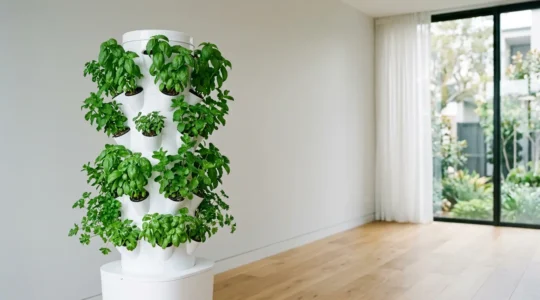
How to Build a Hydroponic Vertical Garden for Fresh Herbs All Year Round?
The dream of growing your own food in a small apartment is not limited by a lack of balcony space; it’s enabled by smart system design. Vertical hydroponics, particularly Deep Water Culture (DWC), offers a resilient and forgiving starting point…
Lire la suite