
Losing visceral fat isn’t about more crunches or extreme dieting; it’s about reversing the specific metabolic triggers that force your body to store fat around your organs.
- Certain « healthy » foods, like those with high-fructose corn syrup, directly instruct your liver to create and store visceral fat.
- Poor sleep and alcohol consumption disrupt hormones and pause your body’s fat-burning processes, contributing significantly to a « beer belly. »
Recommendation: Focus on correcting these metabolic dysfunctions with targeted lifestyle changes, like compound exercises and post-meal walks, to reprogram your body to burn, not store, visceral fat.
For many men over 40, the reflection in the mirror tells a frustrating story: despite having relatively skinny arms and legs, a stubborn « beer belly » persists. You might be eating « healthy » and even exercising, yet this deep, internal fat—known as visceral fat—refuses to budge. This isn’t just a cosmetic issue; this type of fat wraps around your vital organs, actively releasing inflammatory signals and significantly increasing your risk for heart disease, type 2 diabetes, and other metabolic disorders.
The common advice is often to « eat less and move more, » or to do hundreds of crunches. However, these platitudes fail to address the root cause. The accumulation of visceral fat is rarely a simple calorie problem; it is a symptom of underlying metabolic dysfunction. It’s a sign that your body’s hormonal and chemical signals have been hijacked, programming it to store energy in the most dangerous place possible.
The key to eliminating this dangerous fat is not to fight your body with punishing diets or ineffective exercises, but to understand and reverse the specific mechanisms that cause it. This isn’t about working harder; it’s about working smarter by reprogramming your metabolism. This article will dissect the primary metabolic triggers—from hidden sugars and alcohol to sleep patterns and the wrong type of exercise—and provide a science-backed blueprint to regain control of your metabolic health and effectively target visceral fat.
To navigate this comprehensive guide, the following summary outlines the key metabolic battlegrounds we will explore. Each section is designed to uncover the ‘why’ behind visceral fat accumulation and provide actionable strategies to counteract it, empowering you to make targeted, effective changes.
Summary: A Strategic Guide to Conquering Visceral Fat
- High Fructose Corn Syrup: Why It Targets the Liver and Creates Belly Fat?
- Sleep Apnea and Belly Fat: The Vicious Cycle Preventing You From Losing Weight
- Sit-ups vs Squats: Why Compound Movements Burn More Belly Fat Than Crunches?
- The « Beer Belly » Truth: How Alcohol Pauses Fat Burning for 24 Hours?
- Testosterone and Visceral Fat: Does Low T Cause Weight Gain in Men?
- Why Does Eating Carbs for Breakfast Cause a Mid-Afternoon Energy Crash?
- Walking After Meals: How 10 Minutes of Movement Lowers Blood Sugar Spikes?
- How to Improve Your Metabolic Health Without Medication in the UK?
High Fructose Corn Syrup: Why It Targets the Liver and Creates Belly Fat?
Not all sugars are created equal, and high-fructose corn syrup (HFCS) is uniquely problematic for your midsection. While glucose (the sugar from starches) can be used by nearly every cell in your body for energy, fructose has a different metabolic fate. It makes a beeline for your liver, which must work overtime to process it. When the liver is overwhelmed with fructose, it has little choice but to convert it into fat through a process called de novo lipogenesis (DNL)—literally, « making new fat. »
This newly created fat doesn’t just stay in the liver; it’s a primary contributor to visceral adipose tissue (VAT), the dangerous fat around your organs. This isn’t theoretical; the effect is potent and rapid. A landmark study demonstrated that even a short-term, 9-day period of isocaloric fructose restriction significantly reduced liver fat, DNL, and visceral fat in children with obesity. This shows how directly this type of sugar programs your body to create belly fat, independent of total calorie intake.
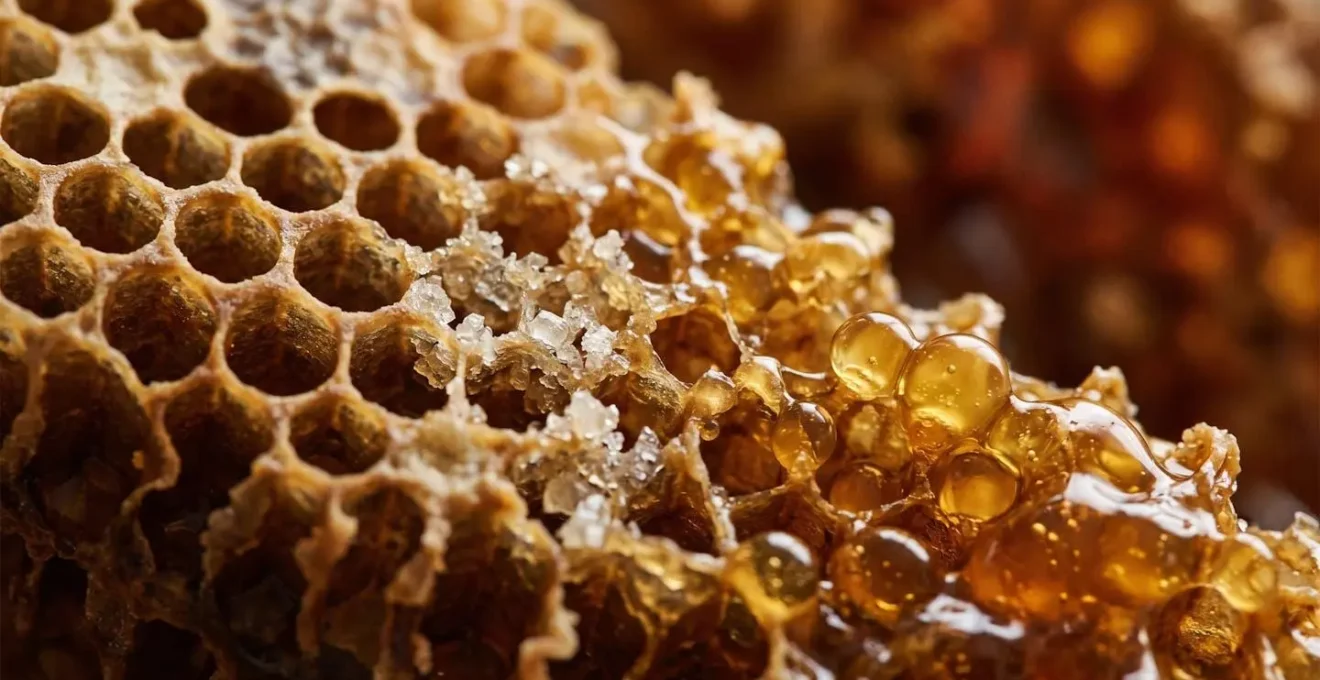
The visual above illustrates this concept: the liver becomes a factory for visceral fat when flooded with fructose. This is why reading labels to avoid HFCS—found in sodas, processed foods, and many « low-fat » products—is one of the most critical first steps in metabolic reprogramming. It’s not just about cutting calories; it’s about cutting off the specific instructions that build visceral fat.
Sleep Apnea and Belly Fat: The Vicious Cycle Preventing You From Losing Weight
The link between poor sleep and weight gain is well-established, but for men with significant visceral fat, it often becomes a dangerous, self-perpetuating cycle involving Obstructive Sleep Apnea (OSA). Here’s how it works: excess visceral fat puts physical pressure on the chest and airway, increasing the risk of OSA. In fact, research shows that among obese patients, the prevalence of OSA can be as high as 98% in the most severe cases.
When you have OSA, you repeatedly stop breathing throughout the night. Each episode triggers a panic response in your body, flooding your system with the stress hormone cortisol. Chronically high cortisol levels directly signal your body to store more visceral fat—the very fat that is causing the apnea in the first place. It’s a textbook vicious cycle.
This hormonal hijacking doesn’t stop there. Sleep deprivation also dysregulates the hormones that control hunger and satiety. It suppresses leptin (the « I’m full » hormone) and increases ghrelin (the « I’m hungry » hormone). This creates intense cravings for high-calorie, sugary foods the next day, further fueling the fire of visceral fat storage. Until this cycle is broken, any efforts at diet or exercise are likely to be futile, as you are constantly fighting a powerful hormonal battle you can’t win.
Sit-ups vs Squats: Why Compound Movements Burn More Belly Fat Than Crunches?
One of the most persistent fitness myths is that you can « spot reduce » fat from your belly by doing endless sit-ups and crunches. This is metabolically impossible. You cannot choose where your body burns fat from. True fat loss, especially of stubborn visceral fat, requires a systemic metabolic response, not localized muscle fatigue. This is where compound movements like squats, deadlifts, and overhead presses prove vastly superior.
Compound exercises engage multiple large muscle groups simultaneously. This creates a massive demand for energy, forcing your body to tap into its fat stores for fuel. More importantly, it dramatically increases Excess Post-exercise Oxygen Consumption (EPOC), also known as the « afterburn effect. » This is the elevated rate at which your body burns calories for hours *after* your workout is finished as it works to repair muscle tissue and restore balance. In fact, research shows high-intensity compound movements can elevate EPOC by 38% compared to isolation exercises like planks or crunches.
Think of it as the difference between revving a scooter engine (a crunch) and firing up a V8 engine (a set of heavy squats). The total energy expenditure and subsequent metabolic ripple effect of the V8 are orders of magnitude greater. By prioritizing full-body, compound movements, you are not just burning calories during the workout; you are reprogramming your resting metabolism to be higher, turning your body into a more efficient fat-burning machine 24/7.
The « Beer Belly » Truth: How Alcohol Pauses Fat Burning for 24 Hours?
The term « beer belly » isn’t just a catchy phrase; it points to a specific metabolic truth about how your body handles alcohol. While a pint of beer contains calories, the primary damage comes from how your body prioritizes its metabolism. When you consume alcohol, your body recognizes it as a toxin. The liver, your primary detoxification organ, drops everything else it’s doing—including burning fat for energy—to focus exclusively on clearing the alcohol from your system.
This means that for as long as alcohol is present, your body’s fat-burning processes are effectively put on pause. Any food you’ve eaten with your drink, or any fat that was about to be mobilized for energy, is instead shunted directly into storage—often as visceral fat. This isn’t a minor effect. Depending on the amount consumed, this metabolic disruption can last for up to 24 hours.
The New England Journal of Medicine published a seminal study on this effect, highlighting the direct consequence of alcohol consumption on fat metabolism. As the researchers noted, this creates a state that is primed for gaining weight.
The habitual consumption of ethanol in excess of energy needs leads to a metabolic condition that favors lipid storage and weight gain and can be considered a risk factor for the development of obesity.
– Suter PM, Schutz Y, Jequier E, The New England Journal of Medicine
So, a night of drinking doesn’t just add empty calories; it actively blocks your body’s ability to burn fat and encourages it to store it, making it a powerful driver of the very visceral fat you are trying to lose.
Testosterone and Visceral Fat: Does Low T Cause Weight Gain in Men?
For men over 40, the interplay between testosterone and visceral fat is another critical vicious cycle. Testosterone does more than just build muscle and support libido; it plays a crucial role in nutrient partitioning, influencing whether the calories you eat are stored as fat or used to build lean muscle. As testosterone levels naturally decline with age, this balance can shift, making it easier to gain fat, particularly visceral fat.
But the relationship is a two-way street, and this is where the cycle becomes so destructive. Visceral fat is not just an inert storage depot; it is a metabolically active organ. It is particularly rich in an enzyme called aromatase. The job of aromatase is to convert testosterone into estrogen. The more visceral fat you have, the more aromatase you have, and thus the more of your precious testosterone gets converted into estrogen.
This creates a downward spiral: low testosterone encourages visceral fat gain, and the new visceral fat then produces more aromatase, which further lowers testosterone. Endocrine research has established that visceral fat is highly active in converting testosterone to estrogen, effectively creating a feedback loop where fat begets more fat by robbing you of your primary male hormone. Breaking this cycle by reducing visceral fat is therefore essential not just for metabolic health, but for restoring hormonal balance.
Why Does Eating Carbs for Breakfast Cause a Mid-Afternoon Energy Crash?
The typical breakfast of cereal, toast, or a pastry sets you up for a metabolic rollercoaster that ends in a mid-afternoon energy crash and reinforces fat storage. These simple, refined carbohydrates are digested rapidly, causing a sharp spike in your blood sugar. Your pancreas responds by releasing a large amount of insulin to shuttle this sugar out of your bloodstream and into your cells.
The problem is that this insulin response is often an overreaction. The surge of insulin clears the sugar so effectively that your blood sugar levels can « crash » a few hours later, falling below baseline. This is the moment you feel tired, irritable, and mentally foggy—the classic mid-afternoon slump. What does your body crave in this state? More quick energy, meaning more sugar and refined carbs, thus perpetuating the cycle.
This constant up-and-down of blood sugar and insulin is a major driver of insulin resistance, a condition where your cells become less responsive to insulin’s signals. When this happens, your body has to pump out even more insulin to do the same job. High circulating insulin is a potent fat-storage hormone, and it specifically tells your body to store fat in the visceral area. A breakfast rich in protein and healthy fats, by contrast, provides a slow, steady release of energy, keeping blood sugar and insulin stable and promoting a fat-burning state throughout the day.
Walking After Meals: How 10 Minutes of Movement Lowers Blood Sugar Spikes?
One of the most powerful, yet simple, tools for controlling blood sugar and preventing visceral fat storage is a short walk after each meal. When you eat, especially a meal containing carbohydrates, your blood sugar rises. The goal is to manage this rise and prevent a large insulin spike. Gentle movement provides a highly effective, non-insulin-dependent way to do this.
Your muscles can take up glucose from the bloodstream for energy without needing a large signal from insulin, especially during and shortly after physical activity. This is thanks to cellular transporters called GLUT4. Gentle muscle contraction, like that from a brisk walk, stimulates GLUT4 transporters to move to the surface of muscle cells and pull glucose directly out of the bloodstream. This blunts the post-meal blood sugar spike, reducing the need for a large insulin surge and, consequently, reducing the hormonal signal to store fat.
The key is consistency and timing, not intensity. A strenuous workout isn’t necessary; a simple 10-15 minute walk is perfect. By making this a habit after your main meals, you are actively managing your blood sugar throughout the day, improving insulin sensitivity, and shifting your metabolism away from fat storage and towards energy utilization. It is a simple habit that provides a profound metabolic advantage.
Your Action Plan: Post-Meal Glucose Control Walk
- Complete your meal and wait 5-10 minutes before beginning your walk to allow initial digestion.
- Walk at a gentle, comfortable pace for 10-15 minutes—the intensity should allow for easy conversation.
- Repeat this 10-minute walk after each of your three main meals throughout the day for maximum benefit.
- Maintain consistency; the cumulative effect of three short walks is more effective for 24-hour glucose control than one 30-minute walk at another time.
- Focus on timing rather than intensity to stimulate GLUT4 transporters and clear blood glucose with minimal insulin required.
Key Takeaways
- Visceral fat is driven by specific metabolic signals, not just calories. Fructose and alcohol directly instruct the liver to create and store this dangerous fat.
- Hormonal disruption is a key factor. Poor sleep (cortisol) and low testosterone (aromatase from fat itself) create vicious cycles that promote visceral fat storage.
- Effective exercise must be systemic. Compound movements create a massive metabolic demand and « afterburn » effect that localized crunches can never match.
How to Improve Your Metabolic Health Without Medication in the UK?
In the UK, as in many Western countries, there’s a growing reliance on medication to manage metabolic conditions like type 2 diabetes and high cholesterol. However, the evidence is overwhelmingly clear that lifestyle-based « metabolic reprogramming » is the most powerful first-line approach to reversing the root causes of these issues, including the accumulation of dangerous visceral fat.
Improving your metabolic health without medication is not about a single magic bullet, but about systematically dismantling the vicious cycles we’ve discussed. It’s about starving the fat-creation pathways by removing triggers like HFCS and alcohol, and reactivating your body’s natural fat-burning machinery through hormonal balance and the right kind of physical activity. A systematic review and meta-analysis confirmed that physical activity significantly reduces visceral fat, even without a calorie-restricted diet, underscoring the power of movement as a metabolic tool.
This approach combines dietary intelligence (swapping refined carbs for protein and fibre), hormonal optimization (prioritizing sleep), and strategic exercise that focuses on systemic burn. High-Intensity Interval Training (HIIT) is a particularly effective strategy, as it delivers maximum metabolic benefits in a short amount of time.
Case Study: The Metabolic Power of HIIT
A comprehensive meta-analysis on high-intensity interval training (HIIT) found it consistently decreased visceral fat mass. The mechanism is multi-faceted: HIIT dramatically enhances the EPOC « afterburn » effect, improves insulin sensitivity in muscle tissue (making muscles better « sponges » for blood sugar), and triggers the release of hormones like growth hormone that promote nutrient repartitioning—steering calories away from fat storage and toward muscle repair. The analysis showed that protocols using running-based HIIT at intensities above 90% of peak heart rate were particularly effective, with measurable reductions in visceral fat occurring even when total body weight didn’t change significantly.
By integrating these principles—controlling your diet to manage insulin, fixing your sleep to manage cortisol, and using compound exercises to create a systemic burn—you build a robust, medication-free strategy for lasting metabolic health. You are not just losing weight; you are fundamentally changing how your body processes energy.
Your journey to reducing dangerous visceral fat starts not with a punishing new diet, but with a single, informed decision. Choose one of the metabolic cycles discussed—be it the post-meal walk, cutting out liquid sugars, or committing to a better sleep schedule—and begin there. Assess your personal triggers and start building the foundation for lasting metabolic health today.