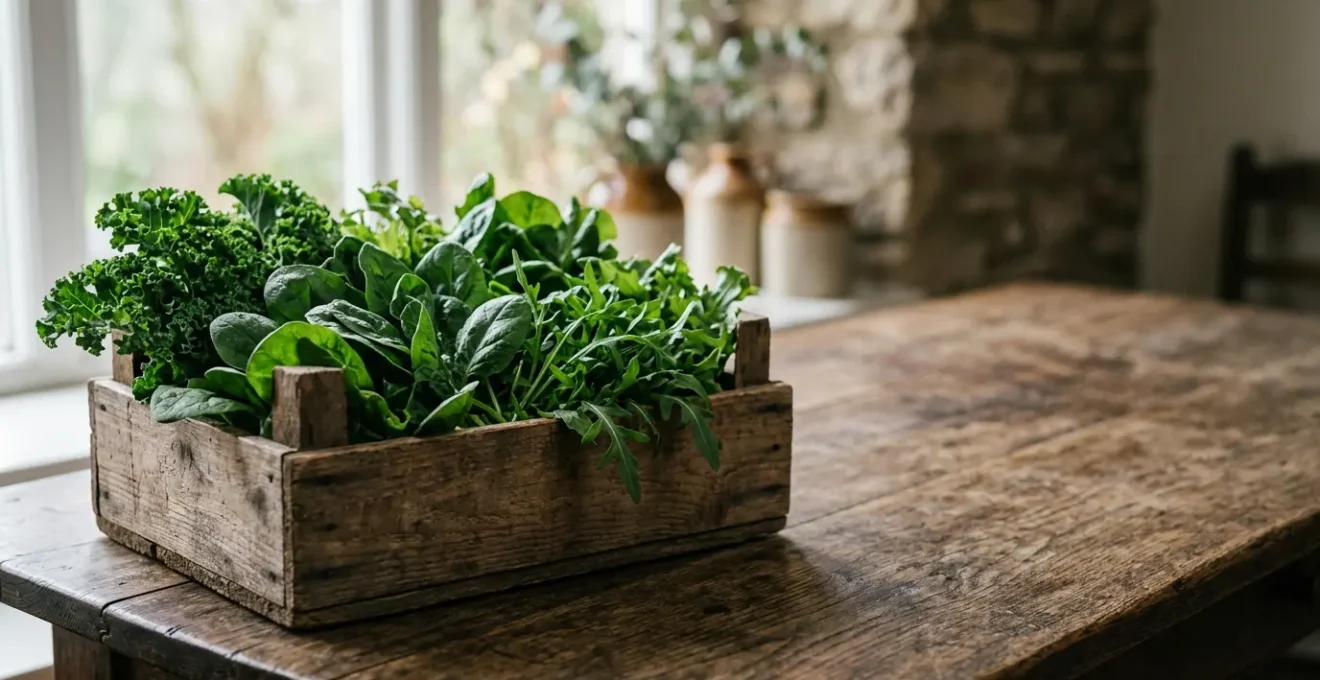
The decision to buy organic in the UK isn’t about avoiding all pesticides, but about strategically investing in verifiable benefits like higher nutrient density and improved biodiversity.
- UK government data shows most standard produce has no detectable residues, making a blanket « organic-only » rule economically inefficient.
- The real « value add » comes from certified organic soil health, which can yield more antioxidants, and stricter standards that protect wildlife.
Recommendation: Focus your organic budget on high-risk leafy greens and produce where systemic pesticides are a concern, and save money by buying low-risk conventional items or exploring farm box schemes for better value.
You’re standing in a UK supermarket aisle, a bag of standard spinach in one hand, its organic counterpart in the other. The price gap is significant, and a familiar question arises: is it really worth paying the premium? The common advice is to buy organic to avoid pesticides, a recommendation often tied to lists like the « Dirty Dozen. » While well-intentioned, this simple guidance fails to capture the complex reality of the UK’s food system.
As an agricultural economist, I argue that the decision to buy organic is not a simple health-or-cost trade-off. It’s an investment decision. The real question is not « is it worth it? » but « what exactly am I paying for? » The answer goes far beyond just pesticide residues. It involves a deep dive into soil health, nutrient density, biodiversity, and the integrity of the supply chain itself. This is the concept of systemic value—the total benefit package encapsulated in that organic certification logo.
This article will equip you with an economist’s toolkit to assess the true value of organic greens. We will move past the platitudes to analyse the official UK pesticide data, scrutinise the science behind nutrient claims, decode what certifications truly guarantee, and outline a strategy for making smart, budget-conscious decisions. It’s time to shift from a mindset of fear-based avoidance to one of informed, strategic purchasing based on nutrient density economics.
To navigate this complex topic, we will explore the key factors that should inform your purchasing decisions, from the farm to your fork. This guide provides a structured analysis to help you determine where the organic premium delivers genuine, measurable value.
Summary: A UK Shopper’s Economic Guide to Organic Greens
- The « Dirty Dozen » in the UK: Which Vegetables Have the Highest Pesticide Load?
- Do Organic Soils Really Produce More Nutrient-Dense Leafy Greens?
- Baking Soda Soak: Can You Effectively Wash Pesticides Off Standard Kale?
- Window Sill Gardening: How to Grow Organic Lettuce in a Small Apartment?
- Soil Association Standards: What Does the Logo Guarantee Beyond Pesticide Use?
- Farm Shops or Supermarkets: Where to Find the Best Value Organic Produce?
- Low VOC Paint: Why Does It Matter for Indoor Air Quality?
- How to Eat a Whole Foods Diet on a Strict Budget in the UK?
The « Dirty Dozen » in the UK: Which Vegetables Have the Highest Pesticide Load?
The concept of a « Dirty Dozen » list, popularised in the US, often creates the impression that conventionally grown produce is universally contaminated. However, a rational analysis for a UK shopper must begin with UK-specific data. The government’s Pesticide Residues in Food (PRiF) committee conducts extensive annual testing. The latest report provides a much more nuanced picture than a simple high-risk list.
In its most recent analysis, the committee tested thousands of food samples for hundreds of different pesticide residues. According to the UK government’s 2024 pesticide residues monitoring report, a total of 3,482 samples were analysed. The headline finding is reassuring: the report revealed that 51.26% of samples had none of the residues sought. For samples where residues were found, the vast majority were below the legal Maximum Residue Level (MRL), which is itself set with wide safety margins.
This data doesn’t mean all produce is equal. Certain items, often imported soft fruits or leafy greens like spinach and kale, do show a higher frequency of residues. However, it undermines the idea that you must buy organic for everything. An economist would call this a need for risk-based allocation of your food budget. Instead of a blanket rule, it’s more logical to focus the « organic premium » on the small percentage of produce that genuinely poses a higher, albeit still legally compliant, residue risk, while confidently buying conventional for the majority of items shown to be consistently clean in UK testing.
Do Organic Soils Really Produce More Nutrient-Dense Leafy Greens?
Beyond the pesticide debate lies a more compelling argument for the value of organic produce: nutrient density. The foundational principle of organic farming is not simply the avoidance of synthetic inputs, but the proactive cultivation of a healthy, living soil. This is where the concept of nutrient density economics comes into play—are you getting more nutritional value for your money?
A rich, biologically active soil, teeming with microorganisms and fungi, is better able to make minerals and nutrients available to the plants growing in it. This is not just a theoretical benefit. A landmark Newcastle University meta-analysis of 343 studies found that organic crops contained between 18-69% higher concentrations of antioxidant compounds. Professor Charles Benbrook, a contributor to the research, noted that consumers switching to organic produce could see a 20-40% increase in antioxidant intake without increasing their calorie consumption. This suggests that the higher price may, in part, be justified by a higher concentration of beneficial compounds.
This difference is rooted in the soil itself. Organic farming methods, such as using compost, cover crops, and crop rotation, build soil organic matter. This creates a complex ecosystem that nourishes the plant in a way that synthetic liquid fertilisers, common in conventional agriculture, cannot replicate. When you buy organic, you are not just paying for a vegetable; you are investing in the complex biological engine that created it.
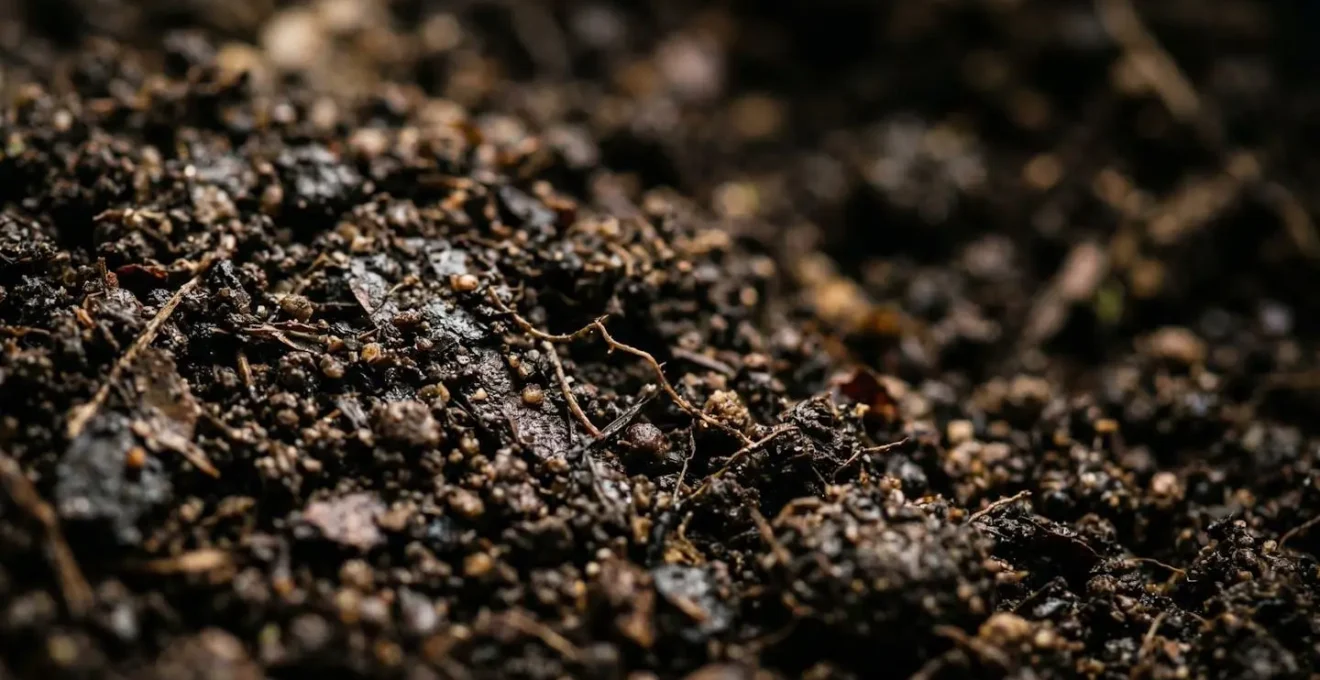
As the image above illustrates, healthy soil is a complex and living ecosystem. It is this intricate web of life that ultimately translates into more nutrient-dense food. Therefore, when evaluating the cost, one must consider that you may be purchasing a product with a measurably higher nutritional profile, making the « cost per nutrient » potentially more competitive than it first appears.
Baking Soda Soak: Can You Effectively Wash Pesticides Off Standard Kale?
A common piece of advice for those buying conventional produce is to simply wash it thoroughly. Some even advocate for specific solutions, like a baking soda soak, to remove pesticide residues. There is scientific merit to this practice, but it’s crucial to understand its limitations, which an economist would view as a point of diminishing returns.
Indeed, a 2017 study published in the Journal of Agricultural and Food Chemistry found that a 12-15 minute soak in a simple 1% baking soda solution was highly effective at removing pesticides from the surface of apples. This method outperformed both tap water and a commercial bleach wash. This seems like a simple, cost-effective solution that negates the need for buying organic. However, this only addresses part of the problem.
The critical distinction that most advice overlooks is the difference between surface-level (contact) pesticides and systemic pesticides. The former sit on the skin of the produce, while the latter are absorbed by the plant and distributed throughout its tissues—from root to leaf to fruit. No amount of washing can remove pesticides that are inside the food itself.
Case Study: The Limits of Washing – Surface vs. Systemic Residues
The same University of Massachusetts study that praised baking soda’s effectiveness on surface residues also revealed its fundamental limitation. Researchers found that systemic pesticides like thiabendazole had penetrated up to 80 micrometres deep into the apple peel, far beyond the reach of any wash. The study showed that while surface pesticides were removed, 20% of the systemic thiabendazole and 4.4% of phosmet had been absorbed into the apples and could not be washed away. This demonstrates that for produce treated with systemic pesticides, washing is an incomplete risk mitigation strategy.
For the health-conscious shopper, this is a pivotal piece of information. If your concern is specifically about systemic pesticides, which are common in the cultivation of crops like leafy greens and potatoes, then the only guaranteed way to avoid them is to choose produce certified as organic, where their use is prohibited.
Window Sill Gardening: How to Grow Organic Lettuce in a Small Apartment?
For those seeking absolute certainty about their food’s origins while managing a tight budget, the ultimate solution is to shorten the supply chain to its absolute minimum: growing your own. Even in a small UK apartment, a sunny window sill can become a productive mini-farm for organic leafy greens and herbs, providing the freshest possible produce with zero food miles and complete control over inputs.
The key to success is selecting the right varieties and using appropriate techniques. « Cut-and-come-again » lettuces, rocket, and various herbs are ideal as they allow for multiple harvests from the same plant. This approach provides a continuous supply of fresh greens for salads and sandwiches, offering exceptional value and nutrient retention, as the time from « harvest » to plate is mere seconds.
Starting an indoor organic garden is a straightforward and rewarding project. It demystifies the growing process and provides a tangible connection to the food we eat. For a UK-based apartment dweller, the process involves selecting appropriate seeds, finding a good light source, and maintaining a consistent watering schedule.
Your Action Plan: Starting an Indoor Organic Lettuce Garden
- Select Varieties: Choose compact, cut-and-come-again varieties suited to UK indoor conditions like ‘Tom Thumb’ lettuce, rocket, mustard greens, and herbs such as parsley, mint, and chives.
- Source Materials: Procure certified organic seeds from UK suppliers and a high-quality, peat-free organic compost to ensure a nutrient-rich and sustainable growing medium.
- Position for Light: Place containers near south or west-facing windows to maximize exposure to variable UK sunlight. Consider supplementing with a small LED grow light during the darker winter months.
- Water Wisely: Use pots with drainage holes to prevent waterlogging. Water consistently, but allow the top layer of soil to dry out slightly between waterings to avoid root rot.
- Harvest for Growth: Harvest regularly by snipping the outer leaves first. This « cut-and-come-again » method encourages the plant to produce new growth from the centre, maximizing your yield over a long period.
By taking control of production, you eliminate all questions about pesticides, supply chain freshness, and certification standards. It is the most direct path to consuming truly organic food and represents the peak of risk-based allocation—investing a small amount of time and effort for a guaranteed, high-quality return.
Soil Association Standards: What Does the Logo Guarantee Beyond Pesticide Use?
In the UK, not all organic certifications are created equal. While all organic products must meet a baseline EU-derived standard, the Soil Association logo signifies a higher, more stringent set of criteria. For the discerning shopper, understanding this difference is key to evaluating the systemic value of the premium paid. The Soil Association standard is not just about what is excluded (like most pesticides and artificial fertilisers), but about what is actively required.
One of the most significant differences lies in the commitment to biodiversity. It’s not enough for a farm to be organic; a Soil Association certified farm must have a plan to actively support wildlife. This includes requirements for managing hedgerows, creating wildflower margins, and protecting habitats. The results are tangible; research commissioned by the Soil Association demonstrates that there is, on average, up to 50% more wildlife on organic farms. This includes crucial pollinators like bees and other insects, as well as birds and other animals.

This commitment to a « whole-farm » ecosystem is what sets the standard apart. The price premium, therefore, can be seen as a contribution to preserving the British countryside and its wildlife, an environmental service that goes far beyond the single attribute of being « pesticide-free. » The table below breaks down some of the key areas where Soil Association standards exceed the baseline, providing a clear checklist of the added value you are purchasing.
| Certification Aspect | EU Organic Baseline | Soil Association Standards |
|---|---|---|
| Animal Welfare | Meets basic EU requirements | Highest welfare standards in UK; stricter outdoor access requirements |
| Biodiversity Requirements | General organic principles | Mandatory biodiversity plans; hedgerow maintenance; wildflower margins |
| GMO Policy | Complete ban on GMOs | Complete ban plus stricter traceability |
| Additives & Processing | Restricted list of permitted additives | Severe restriction; complete ban on hydrogenated fats |
| Deforestation Policy | Not specifically addressed | Deforestation-free ingredient sourcing required |
| Packaging Standards | Not specifically regulated | Environmental packaging standards enforced |
When you see the Soil Association logo, you are buying into a comprehensive system with verifiable, audited standards that cover animal welfare, biodiversity, and even packaging. It’s a clear-cut case of paying more for a product with a demonstrably higher set of production values.
Farm Shops or Supermarkets: Where to Find the Best Value Organic Produce?
The supermarket is not the only place to procure organic greens. Alternative supply chains, such as farm shops, farmers’ markets, and vegetable box schemes, offer a different value proposition. An economist would describe this as a process of decommodification. Instead of an anonymous product that has travelled through a long, complex supply chain, you are often buying a fresher item with a clear provenance, which can represent superior value even if the ticket price is similar.
Supermarket supply chains are optimised for shelf life and uniformity, which can mean produce is harvested weeks before it’s sold. In contrast, produce from a local farm shop or a box scheme is often harvested just days, or even hours, before it reaches the customer. This has a direct impact on freshness, flavour, and potentially, nutrient retention. The shorter the time between harvest and consumption, the better.
Veg box schemes, in particular, represent a highly efficient model. They cut out multiple layers of distribution, delivering seasonal produce directly to your door. This model not only reduces food miles but also fosters a direct link between the consumer and the farmer.
Case Study: The Riverford Veg Box Model
Riverford, one of the UK’s largest organic veg box schemes, operates as an employee-owned business delivering seasonal produce directly from its farms. By managing its own local delivery network, it maximises efficiency, with over 70% of deliveries made when customers are not home. Customers frequently report higher satisfaction due to unparalleled freshness. Produce is often harvested within days of delivery, a stark contrast to supermarket chains where greens can be several weeks old by the time they are purchased, significantly diminishing their quality and nutritional value.
When visiting a farmers’ market, you have the unique opportunity to engage directly with the producer. This allows you to ask critical questions about their practices beyond what a label can tell you. Inquiring about their methods for building soil health (do they use compost or cover crops?), managing pests (do they use companion planting?), and promoting biodiversity provides a much deeper understanding of the value embedded in their produce. This direct verification can be more telling than a certification logo alone, especially for smaller farms that may practice organic methods without pursuing costly formal certification.
Key takeaways
- The « organic » premium in the UK is less about pesticide avoidance (as over 50% of produce is residue-free) and more about investing in superior soil health and biodiversity.
- Not all pesticides can be washed off; systemic pesticides absorbed by the plant are the primary concern, making a baking soda soak only partially effective.
- The Soil Association logo guarantees significantly higher standards than baseline EU organic, particularly for animal welfare, biodiversity, and deforestation-free sourcing.
Low VOC Paint: Why Does It Matter for Indoor Air Quality?
At first glance, the topic of low-VOC (Volatile Organic Compound) paint may seem unrelated to the choice between organic and conventional spinach. However, from a holistic health perspective, they are two sides of the same coin: a conscious effort toward chemical load reduction. The decision to minimise pesticide ingestion through food choices logically extends to minimising chemical inhalation within our homes.
Our indoor environments can contain a surprising number of airborne chemicals released from furniture, cleaning products, and, most significantly, paint. VOCs are chemicals that are released as gases from certain solids or liquids. In the short term, they can cause headaches and dizziness, while long-term exposure is linked to more serious health concerns. Just as systemic pesticides become part of a plant, VOCs from paint become part of the air we breathe every day.
Choosing low-VOC or zero-VOC paint is a direct action to improve indoor air quality, reducing your daily exposure to potentially harmful synthetic chemicals. As stated by the environmental health philosophy promoted by groups like the Soil Association, if you are concerned enough about ingesting pesticides to buy organic food, it is a logical next step to reduce your inhalation of airborne chemicals from household products. This creates a more consistent and comprehensive approach to personal and family wellness.
This perspective reframes the choice of buying organic. It ceases to be an isolated purchasing decision and becomes one component of a broader lifestyle strategy aimed at thoughtfully managing one’s overall environmental and chemical exposure. It’s about taking control of the inputs into our bodies, whether through the food we eat or the air we breathe.
How to Eat a Whole Foods Diet on a Strict Budget in the UK?
The ultimate challenge for the health-conscious UK shopper is reconciling the desire for high-quality, organic whole foods with the reality of a strict budget. It is possible, but it requires moving beyond the main aisles of the supermarket and adopting a more strategic approach to shopping. The key is to apply the principle of risk-based allocation across your entire grocery shop, not just the fresh produce aisle.
This means being selective about where you spend your « organic » money and knowing where you can safely save. It involves a combination of prioritising high-risk items, embracing frozen alternatives, seeking out « wonky » vegetables, and timing your purchases to align with seasonal abundance. The goal is to maximise nutritional value per pound spent.

A smart, budget-conscious strategy for incorporating more organic foods involves several key tactics:
- Prioritise High-Risk Items: Focus your organic spending on produce that consistently shows higher pesticide residues in UK testing. This typically includes items with edible skins or a large surface area, such as beans with pods, imported soft fruits, and leafy greens.
- Save on Low-Risk Items: Confidently buy conventional produce that consistently tests low for residues. Items with thick, inedible skins like onions, avocados, and pineapples, as well as crops like sweetcorn, are generally safe bets.
- Embrace « Wonky » Veg: Utilise UK supermarket « wonky veg » boxes (from stores like Morrisons and Lidl) or dedicated services like Oddbox. These offer imperfect-looking produce, often organic, at discounts of 30-50%.
- Leverage the Freezer: Compare the cost-per-100g of frozen organic produce versus its fresh conventional counterpart. Frozen organic spinach, peas, and berries are often cheaper, and because they are frozen at peak freshness, they can have higher nutrient retention than « fresh » produce that has been in the supply chain for weeks.
- Buy Seasonally and Preserve: Purchase UK-grown organic produce when it is in season and abundant (and therefore cheaper), such as summer berries or autumn root vegetables. Buy in bulk and preserve by freezing, canning, or drying for year-round use.
Ultimately, the power lies with you, the shopper. By arming yourself with data, understanding the real value drivers, and employing smart shopping strategies, you can build a diet that is both nourishing and affordable. Begin today by applying these economic principles to your next grocery list.