DIY
Taking a hands-on approach to your living space has evolved far beyond simple weekend repairs. Currently, engaging in Do It Yourself (DIY) projects encompasses a holistic lifestyle choice that empowers you to transform, automate, and sustain your home environment. Whether you are hacking standard furniture to look custom-built, setting up a soil-free indoor garden, or navigating complex zoning regulations for a home extension, mastering these skills grants you ultimate control over your living standards.
Understanding the intricacies of home improvement means bridging the gap between cosmetic updates and structural overhauls. By approaching each project with a blend of creativity and technical knowledge, you can significantly increase property value while tailoring every corner to your specific needs. This comprehensive overview explores the core pillars of modern DIY, from advanced smart lighting and eco-friendly renovations to antique furniture restoration and hydroponic gardening.
Home Renovation and Expansion: Maximizing Property Value
Expanding your home’s footprint is often the most impactful way to add real value, but it requires careful planning and a solid understanding of local regulations. Think of permitted development rights as a pre-approved canvas; if you stay within the specified lines, you can create substantial living spaces without the lengthy process of formal planning permission.
Navigating Permitted Development Rules
Before breaking ground, it is crucial to understand what qualifies as a standard improvement versus a major structural change. Expanding a semi-detached house, for instance, often falls under the well-known 6-meter rule, allowing significant rear extensions under specific conditions.
- Loft Conversions: Choosing between a Dormer and a Velux window installation can dictate whether your project needs formal approval, as Dormers alter the roofline.
- Garden Offices: You can typically build a substantial outbuilding or « shed » at the bottom of your garden, provided it respects maximum height restrictions and boundary limits.
- Garage Conversions: Turning an underutilized garage into a habitable living room is generally considered a cosmetic internal change, though building regulations regarding insulation and ventilation still apply.
Assessing Structural Versus Cosmetic Changes
It is essential to distinguish between a superficial refresh and a project that alters the integrity of the building. Tearing down a load-bearing wall to create an open-plan kitchen is a structural renovation requiring professional calculations. Conversely, running a services search to determine the cost of bringing water and electricity to a new garden office involves logistical planning but rarely alters the primary residence’s structure.
Interior Design Hacks: Modernizing Your Living Space
You do not need a massive budget to achieve a high-end look. Strategic, creative DIY home improvement projects can completely revitalize a room. Small details and clever material choices often yield the most dramatic transformations.
Custom Carpentry and Wall Treatments
Creating bespoke features from off-the-shelf items is a hallmark of modern DIY. A popular technique involves modifying IKEA Billy bookcases, adding trim, and painting them to achieve the illusion of expensive built-in shelves. When it comes to wall paneling, choosing between classic Wainscoting and rustic Shiplap can entirely dictate the mood of a modern home, adding texture and architectural interest to otherwise flat spaces.
Kitchen and Bathroom Refresh Techniques
Renovating a kitchen or bathroom can be intimidating, but breaking it down into manageable upgrades makes it accessible.
- Cabinet Painting: Achieving a flawless, factory finish with a simple foam roller requires meticulous prep work, including thorough degreasing and the use of high-adhesion primers.
- Backsplash Updates: Deciding between peel-and-stick adhesive tiles and traditional ceramic options depends on your need for durability versus ease of installation. Adhesive tiles offer a rapid, low-mess solution for low-moisture zones.
- Hardware Swaps: Simply replacing dated door handles and cabinet knobs with modern, cohesive fixtures is a microscopic change that modernizes a whole house instantly.
Antique Furniture Restoration: Preserving History and Patina
Breathing new life into old timber is both an art and a science. The goal of restoring antique furniture is to stabilize the piece and enhance its beauty without erasing the historical value or patina it has acquired over decades.
Safe Stripping and Refinishing Methods
Aggressive techniques can ruin delicate antique surfaces. When dealing with thin, historical veneers, using a gentle chemical stripper is often much safer than heavy mechanical sanding, which can easily burn through the top layer. Once stripped, choosing the right finish is paramount; a traditional French polish offers an unmatched, glass-like depth for a formal dining table, whereas modern varnishes provide superior protection against heat and spills for everyday use.
Structural Repairs and Period-Correct Hardware
A beautiful finish means nothing if the furniture is structurally unsound or suffering from pest damage.
- Treating Woodworm: Look for light-colored dust (frass) around woodworm holes to determine if an infestation is active before applying specialized liquid treatments.
- Fixing Loose Joints: Re-gluing a wobbly chair leg often requires completely disassembling the joint, cleaning off the crystallized old glue, and using a strong, modern wood adhesive clamped tightly for 24 hours.
- Sourcing Hardware: Finding matching brass handles and period-correct replacement knobs requires scouring architectural salvage yards or specialized reproduction catalogs to maintain the piece’s authenticity.
Smart Home Integration: Illuminating and Automating Routines
Transitioning to a smart home is no longer just for tech enthusiasts; it is a practical way to enhance convenience and dramatically reduce energy consumption. Setting up a « GoodMorning » routine that triggers your lights, morning news, and the kettle with a single voice phrase is a perfect example of DIY automation.
Choosing the Right Smart Bulbs and Switches
When diving into smart lighting, reliability is key. Comparing premium Zigbee networks like Philips Hue against standard Wi-Fi bulbs often reveals that dedicated hubs provide faster response times and less router congestion for voice control. If you prefer to use smart wall switches rather than smart bulbs, you must first check your wiring; installing these switches typically requires a neutral wire in the wall box to maintain power to the Wi-Fi radio when the light is off.
Mastering Color Temperature and Illumination
Understanding lighting terminology guarantees you create the right atmosphere in every room.
- Lumens vs Watts: Always shop for LED bulbs based on Lumens (brightness) rather than Watts (energy consumed), as modern LEDs produce massive light output with minimal wattage.
- The Kelvin Scale: Color temperature dictates the mood. Use a warm 2700K to promote relaxation in the bedroom, and a crisp 4000K to ensure visibility and focus in the kitchen.
- LED Strips: Cutting and connecting LED strip lights for under-cabinet lighting requires precise measurements and the right connector clips to ensure a seamless, professional glow without soldering.
Sustainable Living: Eco-Friendly Home Improvements
Creating a sustainable home environment reduces your carbon footprint while simultaneously lowering your monthly utility bills. Eco-friendly DIY projects focus on maximizing efficiency and choosing responsible materials.
Eco-Friendly Materials and Insulation
The materials you bring into your home impact both the environment and your indoor air quality. Opting for low VOC paint is crucial, as it drastically reduces the emission of harmful chemicals into your living spaces. When insulating a loft, choosing natural alternatives like sheep’s wool over traditional fiberglass not only provides excellent thermal regulation but also safely manages moisture without causing skin irritation during installation. Additionally, sourcing and treating reclaimed wood for custom furniture prevents deforestation and adds unique character to your home.
Reducing Water and Energy Consumption
Modernizing your home’s mechanical systems is a highly effective way to go green. Installing low-flow aerators on your faucets is a five-minute DIY task that saves thousands of gallons of water annually without sacrificing shower pressure. On a larger scale, evaluating the efficiency of heat pumps vs gas boilers is becoming essential, as heat pumps utilize ambient outside air to heat your home, drastically cutting fossil fuel reliance.
Indoor Gardening and Hydroponic Systems
You do not need an acre of land to grow organic produce. Urban gardening techniques allow apartment dwellers to cultivate fresh herbs and leafy greens all year round, right on their window sills.
Setting Up a Vertical Hydroponic System
Hydroponics acts like a direct vein system for plants, delivering water and nutrients straight to the roots without soil. Building a vertical garden out of PVC pipes is a surprisingly cheap and highly efficient DIY project.
- Choosing the System: Nutrient Film Technique (NFT) uses a shallow stream of water cascading down the pipes, which is ideal for vertical setups, whereas Deep Water Culture (DWC) submerges roots entirely and takes up more floor space.
- Plant Selection: Leafy greens like lettuce thrive exceptionally well in a vertical pipe system, whereas heavy, sprawling plants like tomatoes require significant external trellising.
- Drilling and Assembly: Using a hole saw to drill perfectly spaced plant pockets in standard PVC pipes allows you to construct a custom vertical tower that fits your exact spatial constraints.
Nutrient Solutions and Lighting for Indoor Greens
Success in hydroponics relies heavily on precise chemistry and artificial sunlight. You must carefully mix your nutrient solutions by monitoring the EC (Electrical Conductivity) and pH levels to ensure maximum nutrient absorption without chemically burning your plants. Furthermore, selecting the right grow lights is critical; while purple LEDs are energy-efficient and target the exact wavelengths needed for photosynthesis, full-spectrum white LEDs are much more pleasant to live with in a shared residential space.
Everyday Efficiency: Food Preservation and Ergonomics
DIY principles apply just as effectively to your daily household management and personal well-being, helping you save money and protect your health.
Optimizing Food Storage and Preparation
Rethinking how you handle groceries can dramatically reduce waste. For instance, testing glass versus plastic containers reveals that non-porous glass typically keeps food fresher for a full 5 days by preventing air and odor transfer. In the pantry, taking the time to soak and cook your own dried beans rather than buying canned pulses saves a surprising amount of money over time. Furthermore, understanding freezer science is vital; while meats and broths freeze beautifully, foods with high water content, like cucumbers, turn completely mushy and should be preserved using other methods.
Enhancing Daily Comfort and Health
Simple DIY interventions can also protect your physical health. A simple baking soda soak is proven to effectively wash pesticide residues off standard, non-organic kale and apples. In the home office, correcting your monitor height so the top third of the screen is at eye level is a zero-cost adjustment that instantly alleviates chronic neck and shoulder pain caused by poor screen positioning.
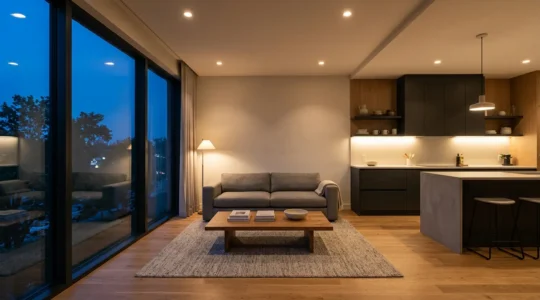
How to Install LED Smart Lighting Systems for Convenience and Energy Savings?
Upgrading to smart lighting is less about the tech and more about becoming the architect of your home’s atmosphere and efficiency. Prioritize lumens for brightness, not watts, to accurately gauge light output. Understand the Kelvin scale to strategically influence mood,…
Lire la suite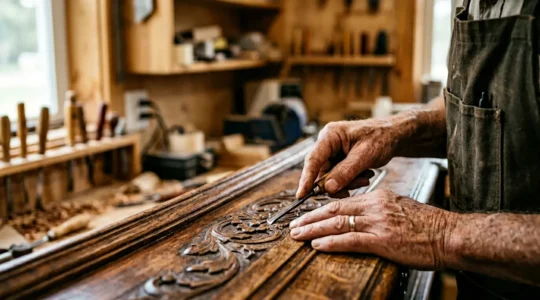
How to Restore Antique Furniture Without Ruining Its Value or Patina?
In summary: Adopt a « conservation mindset »: your goal is to preserve history and character, not create a new-looking piece. Always begin with the least invasive method, starting with a thorough but gentle cleaning. Prioritize reversible repairs, using materials like traditional…
Lire la suite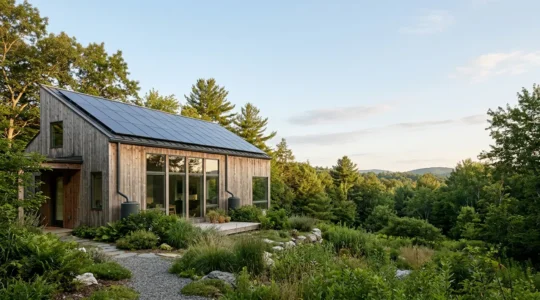
How to Create a Sustainable Home and Reduce Your Carbon Footprint
The key to a truly sustainable home lies not in isolated gadgets, but in mastering its core systems: the building envelope, air quality, and energy. This involves choosing materials for their scientific properties, like wool’s superior moisture control, and understanding…
Lire la suite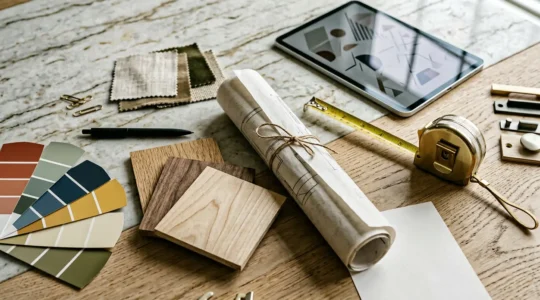
How to Plan Creative DIY Home Improvement Projects That Add Real Value?
In summary: True home value comes from executing DIY projects with professional techniques, not just completing a task. Focus on « architectural cohesion » by integrating new elements like trim and hardware so they look like part of the original design. Mastering…
Lire la suite
How to Maximize Permitted Development Rights to Add Value to Your Home?
The key to a successful home extension isn’t just knowing the rules, but using them strategically to maximize value and avoid costly pitfalls. Permitted Development (PD) allows significant extensions (up to 6 metres) without full planning, but is subject to…
Lire la suite