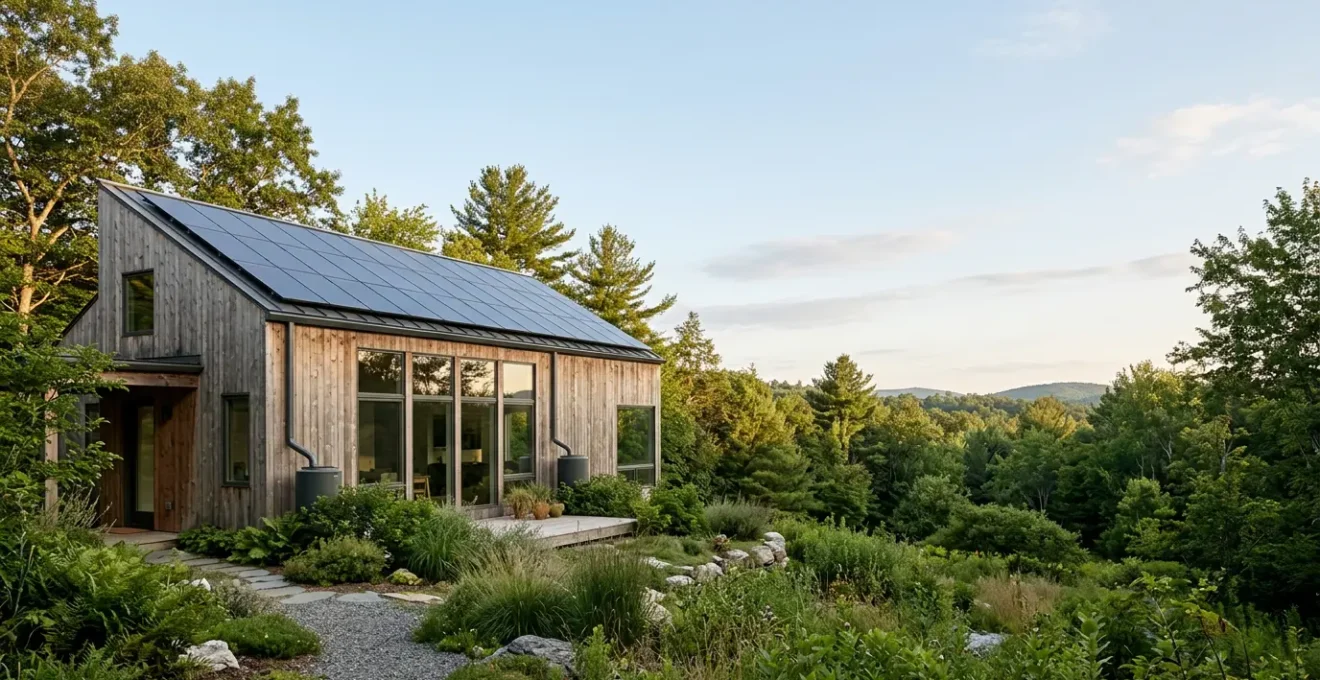
The key to a truly sustainable home lies not in isolated gadgets, but in mastering its core systems: the building envelope, air quality, and energy.
- This involves choosing materials for their scientific properties, like wool’s superior moisture control, and understanding performance metrics, such as a heat pump’s Coefficient of Performance (COP).
- A systems-thinking approach allows you to make informed decisions that deliver long-term value, health benefits, and a genuinely lower carbon footprint.
Recommendation: Shift your focus from simply buying « green » products to designing an integrated, high-performance home ecosystem.
For the eco-conscious homeowner, the desire to create a sustainable living space can feel overwhelming. The common advice often circles around familiar actions: switching to LED bulbs, recycling diligently, or maybe starting a compost bin. While these steps are valuable, they represent only the surface of what’s possible. They are lifestyle adjustments rather than foundational changes to the home itself, which is a complex, interconnected system.
Many homeowners wanting to renovate responsibly get stuck here, wondering where to invest for the most significant impact. Is it solar panels? A new appliance? The answer isn’t a single product. True sustainability in a home environment emerges from a deeper understanding of its core systems: how it retains heat, manages air quality, consumes water, and generates energy. It requires a shift in perspective—from collecting eco-friendly items to implementing an integrated design strategy.
This is where the mindset of a sustainable building consultant becomes crucial. It’s about looking past the marketing labels and analyzing the material integrity and lifecycle performance of your choices. The real key to reducing your carbon footprint isn’t just about what you buy; it’s about understanding *why* one solution outperforms another on a scientific and systemic level. This guide will walk you through these foundational pillars, empowering you to make strategic decisions that create a healthier, more efficient, and genuinely sustainable home.
To navigate these critical decisions, this article breaks down the core components of a sustainable renovation. We will explore everything from the science of natural insulation and indoor air quality to the economics of modern heating systems and off-grid utilities, providing a clear roadmap for your project.
Contents: A System-by-System Guide to a Sustainable Home
- Sheep’s Wool vs Fiberglass: Why Choose Natural Insulation for Your Loft?
- Low-Flow Aerators: How to Save Water Without Losing Shower Pressure?
- Low VOC Paint: Why Does It Matter for Indoor Air Quality?
- Reclaimed Wood: How to Source and Treat Old Timber for Furniture?
- Heat Pumps vs Gas Boilers: Is It Time to Switch Your Heating System?
- Services Search: How Much Does It Cost to Bring Water and Electric to a Field?
- Soil Association Standards: What Does the Logo Guarantee Beyond Pesticide Use?
- How to Assess Raw Land Potential for Profitable Development?
Sheep’s Wool vs Fiberglass: Why Choose Natural Insulation for Your Loft?
A home’s « building envelope »—its roof, walls, and foundation—is the first line of defense against energy loss. For any homeowner serious about reducing their carbon footprint, optimizing insulation is non-negotiable. While fiberglass has been the standard for decades, a systems-thinking approach reveals the superior performance of natural materials like sheep’s wool, which goes far beyond simple thermal resistance (R-value).
The primary advantage of sheep’s wool lies in its remarkable moisture management capabilities. Unlike fiberglass, which loses its insulating properties when damp and can contribute to mold growth, wool is hygroscopic. Its fibers can absorb up to a third of their weight in moisture without feeling wet or compromising thermal performance. This ability to « breathe » helps regulate humidity within the home, preventing condensation and protecting the structural integrity of your timber frame. It actively contributes to a healthier indoor environment.
Furthermore, wool has an inherent-yet-overlooked climate benefit: carbon sequestration. It is a carbon-rich protein fiber, and research shows that 50% of wool’s weight is pure carbon, effectively locking it away for the life of the building. This makes it a powerful tool in creating a home that is not just energy-efficient but also a net-positive contributor to carbon reduction.

As this detailed view shows, the complex, crimped structure of the fibers is what gives wool its unique combination of thermal insulation, sound absorption, and moisture-wicking properties. When you choose wool, you aren’t just insulating; you’re investing in a high-performance material that enhances your home’s entire environmental system.
Low-Flow Aerators: How to Save Water Without Losing Shower Pressure?
Water conservation is a pillar of sustainable living, but for many, the fear of a weak, unsatisfying shower is a major barrier to adopting water-saving fixtures. This is where modern technology provides a solution that doesn’t require sacrifice. Low-flow aerators and showerheads work by a clever piece of engineering: they mix air into the water stream. This process, known as aeration, creates the feeling of a full-pressure flow while using significantly less water.
The key is to understand that the sensation of « pressure » is often more about the volume and texture of the spray than the sheer quantity of water. An aerating faucet, for instance, produces a soft, misty spray that is perfect for tasks like handwashing. For kitchens, where a solid stream is needed for filling pots, a laminar-flow aerator provides a clear, non-splashing stream while still reducing the flow rate. The U.S. Environmental Protection Agency’s WaterSense label certifies products that use at least 20% less water without sacrificing performance.
Choosing the right technology for the right task is essential for maximizing both savings and user satisfaction. A gallons-per-minute (GPM) rating is your primary guide. Standard older faucets can run as high as 2.2 GPM or more, while modern high-efficiency models can perform effectively at 1.5 GPM or even as low as 0.5 GPM for a bathroom sink. Making this switch across a home results in substantial water and energy savings, as less hot water needs to be heated.
Action Plan: Choosing the Right Aerator Technology
- Identify Your Faucet Type: Check the side of your current aerator for its GPM rating. If it’s above 1.5 GPM for a bathroom or 2.2 GPM for a kitchen, it’s a prime candidate for replacement.
- Select Aerating Flow for Bathrooms: Opt for an aerating model in bathrooms. The soft, air-mixed spray is ideal for handwashing and brushing teeth. A 1.0 GPM rate is often sufficient.
- Choose Laminar Flow for Kitchens: A laminar flow aerator produces a clear, non-splashing stream that’s better for rinsing food and filling pots. A 1.5 GPM model offers a good balance of efficiency and function.
- Consider Task-Based Selection: For low-traffic areas like a guest bathroom, an ultra-low-flow 0.5 GPM aerator can be effective. Match the flow rate to the task’s demands.
- Verify System Pressure Compatibility: Ensure your home’s water pressure is within the typical 20-80 psi range. Aerators function best within this window, preventing both poor performance and excessive consumption.
Low VOC Paint: Why Does It Matter for Indoor Air Quality?
When renovating, the focus is often on visible changes, but the invisible quality of your indoor air is just as critical to a sustainable and healthy home. One of the biggest culprits of poor indoor air quality (IAQ) is paint. Traditional paints contain Volatile Organic Compounds (VOCs), which are chemicals that turn into gas at room temperature, a process known as « off-gassing. » These can include a variety of chemicals, some of which may have short- and long-term adverse health effects.
The concentration of these pollutants can be alarmingly high inside our homes. In fact, research from the Environmental Protection Agency has documented that VOC levels are often 2 to 5 times higher indoors than outdoors. During and immediately after painting, this level can spike to be over 1,000 times higher, directly impacting the air you and your family breathe. This makes choosing the right paint a critical health and environmental decision.
Opting for low-VOC or zero-VOC paints is the solution. These formulations are designed to minimize or eliminate these harmful solvents. However, it’s a common misconception that the danger of VOCs disappears once the paint is dry and the smell is gone. As Healthier Homes Research points out in its analysis:
Studies show that only about 50% of VOCs are released within the first year.
– Healthier Homes Research, Low VOC vs No VOC Paint Analysis
This staggering fact underscores the importance of a lifecycle perspective. The chemicals in your paint can continue to pollute your indoor air for years, making the initial choice of a zero-VOC product a long-term investment in your home’s health ecosystem. When selecting paint, always look for third-party certifications like Green Seal or SCS Indoor Advantage Gold to ensure the claims are verified.
Reclaimed Wood: How to Source and Treat Old Timber for Furniture?
Incorporating reclaimed wood into your home is a fantastic way to add character, history, and sustainability to your project. By giving old timber a new life, you divert waste from landfills and reduce the demand for virgin forests. However, from a building consultant’s perspective, sourcing and using reclaimed wood requires diligence. Its beauty comes with a past, and that past may include hidden hazards.
Before you can celebrate the wood’s aged patina and rich grain, a thorough safety assessment is paramount. The two biggest risks are hidden metal and hazardous materials. Old barn wood, flooring, or beams are often riddled with forgotten nails, screws, and staples that can destroy saw blades and create dangerous kickback. A high-quality metal detector is not an optional tool; it’s a mandatory first step. The second, more insidious risk is lead-based paint. Any wood sourced from structures built before 1978 is a potential carrier. Lead dust, created by sanding or cutting, is highly toxic and requires strict handling protocols.
Beyond these primary concerns, you must also inspect for biological hazards like mold, rot, or active insect infestations. Wood with any signs of active decay or pests should be rejected or professionally treated. Once the wood is deemed safe, the treatment process involves cleaning it with a stiff brush and mild detergent, allowing it to dry completely, and then finishing it with a low-VOC sealant to protect the wood and encapsulate any remaining microscopic particles without adding new toxins to your home.
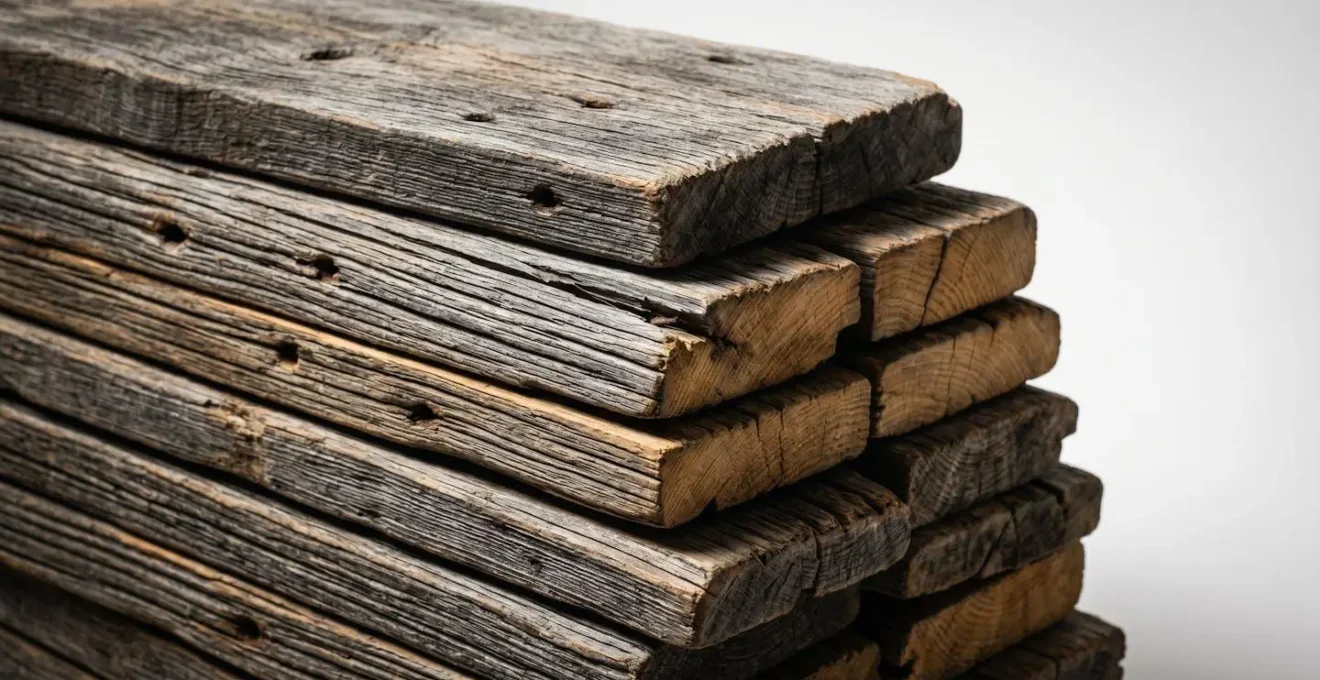
The story told by this weathered wood is beautiful, but ensuring that story doesn’t include dangerous contaminants is your responsibility. This careful, methodical approach turns a potential risk into a safe and stunning asset for your sustainable home.
Heat Pumps vs Gas Boilers: Is It Time to Switch Your Heating System?
Your home’s heating, ventilation, and air conditioning (HVAC) system is typically the single largest consumer of energy and the biggest contributor to its carbon footprint. For decades, gas boilers have been the default choice, but as we transition to a decarbonized future, high-efficiency electric heat pumps have emerged as the superior technology from a systems-performance standpoint.
A gas boiler creates heat by burning a fossil fuel, a process that is inherently inefficient and produces direct carbon emissions. Even the most efficient modern condensing boilers lose at least 5-10% of their energy as waste gas. A heat pump, by contrast, doesn’t create heat—it moves it. In winter, it extracts heat from the outside air (even when it’s cold) and transfers it inside. In summer, it reverses the process for cooling. This process is vastly more efficient. The key performance metric is the Coefficient of Performance (COP), which measures how many units of heat energy are delivered for every unit of electricity consumed.
While a top-tier gas boiler might be 95% efficient (an AFUE rating of 95), a modern air-source heat pump can have a COP of 3.0 or 4.0. This means it delivers 3 to 4 units of heat for every 1 unit of electricity, making it 300% to 400% efficient. The following table breaks down this critical difference.
| Heating System Type | Efficiency Metric | Typical Performance | Energy Output vs Input | Carbon Footprint |
|---|---|---|---|---|
| Heat Pump (Air Source) | Coefficient of Performance (COP) | COP 3.0 – 4.0 | Delivers 3-4 units of heat per 1 unit of electricity consumed | Low (especially with renewable grid electricity) |
| Gas Boiler (Condensing) | Annual Fuel Utilization Efficiency (AFUE) | 90-95% AFUE | Delivers 0.90-0.95 units of heat per 1 unit of gas consumed | High (direct fossil fuel combustion) |
| Geothermal Heat Pump | Coefficient of Performance (COP) | COP 4.0 – 5.0+ | Delivers 4-5+ units of heat per 1 unit of electricity consumed | Very Low (80% energy savings vs conventional) |
As the comparative data clearly illustrates, switching to a heat pump, especially when paired with a greening electrical grid, is one of the most impactful decisions a homeowner can make to decarbonize their home. While the upfront cost can be higher, government incentives and long-term energy savings often make it a sound financial investment.
Services Search: How Much Does It Cost to Bring Water and Electric to a Field?
The dream of building a home on a raw piece of land—a blank canvas—is deeply appealing. However, the reality of transforming an empty field into a habitable property is a complex logistical and financial challenge. The most significant costs often lie in establishing basic utilities: water and electricity. The decision between connecting to the public grid or creating your own off-grid systems has profound implications for both your budget and your home’s long-term sustainability.
Connecting to public utilities involves paying the local utility companies to extend their service lines to your property. The cost can vary dramatically, from a few thousand dollars if the connections are at the edge of your property to over $50,000 if significant trenching is required to cross long distances. This upfront cost provides convenience but tethers you to the grid’s pricing and reliability.
The alternative is to create an off-grid utility system. For electricity, this typically involves a solar panel array paired with a battery bank for storage. For water, it could be a drilled well or a rainwater harvesting system with robust purification. This approach offers independence and a minimal carbon footprint but comes with its own set of economic factors.
Case Study: Off-Grid Solar and Rainwater System Financial Analysis
A comparative analysis of grid versus off-grid systems highlights the long-term economic trade-offs. While grid connection has high initial trenching costs, off-grid systems require significant capital for equipment. A residential off-grid solar system (10kW with battery) can cost $25,000-$40,000, with batteries needing replacement every 10-15 years. Rainwater harvesting systems add costs for cisterns, pumps, and multi-stage filtration. The financial breakeven point depends entirely on the distance to the grid, local utility rates, and the availability of natural resources (sun and rain). In many cases, a hybrid approach—staying grid-tied but adding a solar array to offset usage—offers the best of both worlds.

Ultimately, the decision is not just financial but philosophical. An off-grid system requires a greater level of engagement and management but offers resilience and true self-sufficiency. A thorough cost-benefit analysis, tailored to your specific site, is the only way to make a truly informed choice.
Soil Association Standards: What Does the Logo Guarantee Beyond Pesticide Use?
When we see a label like the Soil Association’s organic certification on food, our first thought is often « no pesticides. » While this is a cornerstone of the standard, the philosophy behind it is far more holistic and provides a powerful blueprint for sustainable practices at home, particularly in the garden. The Soil Association standard is not just about what is forbidden; it’s about what is actively nurtured. It guarantees a commitment to a systems-based approach to agriculture that builds healthy, living soil.
This approach is directly transferable to your own backyard. A « living soil » is one that is rich in organic matter and teeming with microbial life, earthworms, and fungi. This complex ecosystem is the foundation of plant health, creating resilient crops that are less susceptible to pests and diseases, thereby reducing the need for any interventions, organic or otherwise. It also acts as a massive carbon sink, drawing carbon dioxide out of the atmosphere and sequestering it in the ground. By contrast, soil treated with synthetic fertilizers becomes inert and dependent on chemical inputs.
Translating these organic principles to your home involves several key practices that create a closed-loop, regenerative system:
- Build Soil Through Composting: Divert all kitchen scraps and yard waste from landfills (where they produce potent methane gas) and turn them into « black gold » for your garden. Compost provides a full spectrum of nutrients and fosters a healthy soil microbiome.
- Practice Diversity and Rotation: Avoid monocultures. Planting a variety of species and rotating their locations each year prevents the depletion of specific nutrients and breaks pest cycles naturally.
- Create Closed-Loop Systems: Use fallen leaves as mulch to protect the soil, retain moisture, and slowly release nutrients. Allow plant material at the end of the season to decompose back into the soil, returning what was taken.
- Support Biodiversity: Avoid tilling, which destroys soil structure and kills beneficial organisms. A healthy earthworm population is a clear indicator of a thriving soil system.
By adopting this mindset, your garden transforms from a plot of land that consumes resources into a small-scale regenerative ecosystem that builds fertility, sequesters carbon, and produces healthy food.
Key Takeaways
- A home is an interconnected system; the most impactful changes address the building envelope, air quality, and energy systems, not just isolated products.
- Material choice should be based on scientific performance (e.g., wool’s moisture management, a heat pump’s COP) rather than vague « eco » labels.
- Long-term health and environmental impact, such as VOC off-gassing over years, are as important as upfront energy efficiency.
How to Assess Raw Land Potential for Profitable Development?
Whether you’re looking for a plot to build your dream home or as a sustainable investment, assessing the potential of raw land requires seeing it as a living system. A flat, empty field is not a blank slate; it’s a dynamic environment shaped by water, sun, wind, and soil. A profitable and sustainable development is one that works in harmony with these existing patterns, rather than fighting against them. This is the essence of regenerative design, a practice that seeks to enhance the ecological value of a property through thoughtful planning.
The first step is observation. Before any plans are drawn, a thorough site analysis based on permaculture principles is essential. This involves walking the land in different weather conditions and at different times of day to « read » its natural tendencies. Where does the water flow during a heavy rain? Which areas receive the most winter sun, and which are in shadow? Understanding these dynamics allows you to place buildings, gardens, and water systems in a way that harnesses free, natural energy and minimizes the need for expensive, resource-intensive interventions.
This assessment framework provides a roadmap for unlocking a property’s true potential. It’s a systematic process for gathering the data needed to design a resilient and productive landscape:
- Map Water Hydrology: Identify natural drainage paths, areas of pooling, and potential sites for ponds or swales to capture and store rainwater passively.
- Conduct a Solar Sector Analysis: Document the sun’s path across the sky throughout the year to identify optimal locations for passive solar home design, greenhouses, and solar panel arrays.
- Assess Wind Patterns and Microclimates: Note prevailing winds to design natural windbreaks with trees. Identify frost pockets and warmer microclimates to inform planting strategies.
- Evaluate Soil and Groundwater: Test the soil’s composition and percolation rate to understand its capacity for agriculture and septic systems. Assess the depth of the water table.
- Calculate Carbon Sequestration Potential: Inventory existing trees and vegetation and identify opportunities for reforestation or agroforestry to maximize the land’s ability to draw down atmospheric carbon.
By following this process, you move from being a developer to a land steward. The « profit » is measured not only in financial terms but also in ecological resilience, biodiversity, and the creation of a truly regenerative asset.
To apply these strategies effectively, the next logical step is to conduct a professional energy and systems audit of your own property or a potential site. This will provide the specific data needed to prioritize investments and create a tailored plan for a truly sustainable home.