In summary:
- Post-antibiotic recovery requires an ecosystem reconstruction, not just restocking bacteria. Focus on rebuilding the entire microbial habitat.
- Prioritise prebiotic fibres from diverse plant sources to create the foundational terrain for beneficial bacteria to thrive.
- Choose high-potency fermented foods like kefir over kombucha for a greater quantity and diversity of probiotic species.
- Support the gut-brain axis via the vagus nerve and manage lifestyle factors like stress and sleep to reduce systemic inflammation.
- Avoid artificial sweeteners and overly restrictive diets that can sabotage recovery by starving your microbiota of essential nutrients.
–
Finishing a course of antibiotics is a clinical necessity, but the aftermath can leave you feeling far from recovered. The bloating, digestive sluggishness, and persistent fatigue are common complaints I hear in my practice. These aren’t just side effects; they are symptoms of a profound ecological disruption. Your gut microbiome, a complex community of trillions of microorganisms essential for digestion, immunity, and even mood, has been decimated. The standard advice you’ve likely received— »eat some yogurt » or « take a probiotic »—is well-intentioned but fundamentally incomplete.
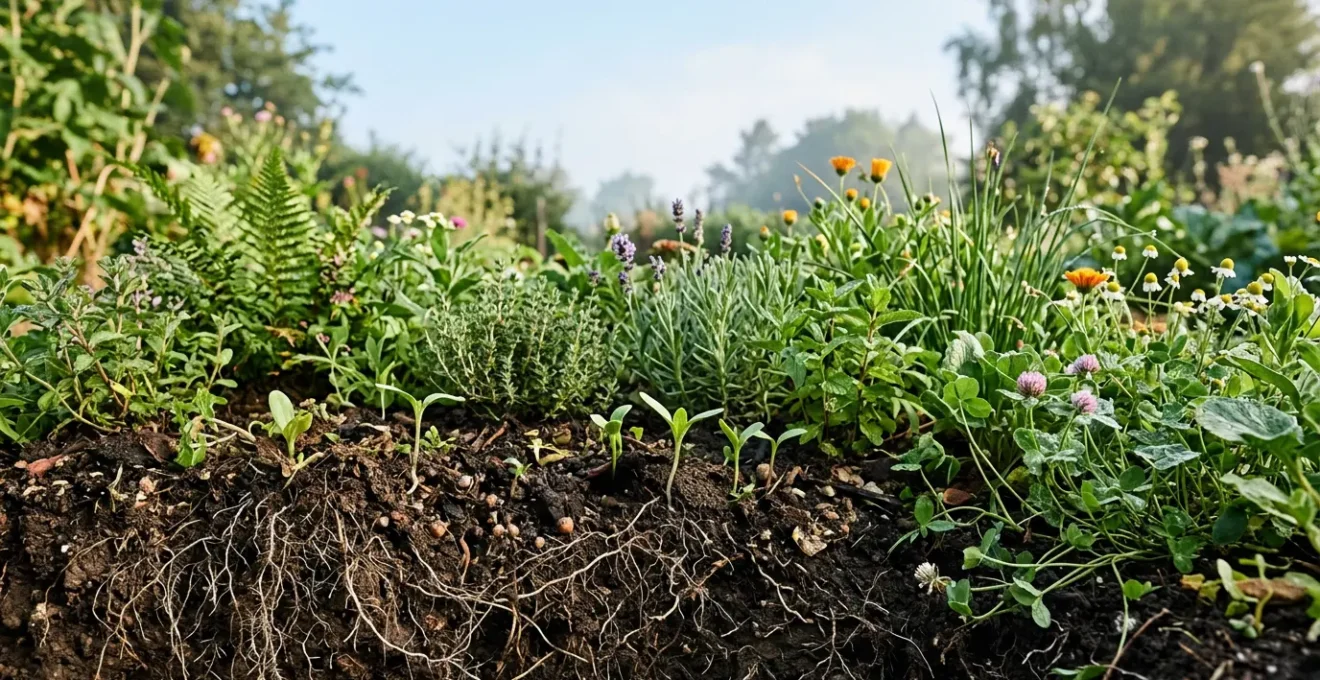
This approach treats gut restoration like scattering a few seeds onto barren, scorched earth and hoping for the best. It overlooks the most critical element: the habitat itself. A few beneficial bacteria cannot survive, let alone thrive, without the proper environment, nutrients, and foundational support. The popular wellness market, filled with expensive powders and quick-fix « resets, » often adds more confusion than clarity, preying on the desire for a fast recovery without providing a sustainable strategy.
But what if the key isn’t just restocking bacteria, but engaging in a deliberate, evidence-based ecosystem reconstruction? This clinical perspective reframes recovery as a strategic project. It’s about methodically rebuilding the entire system: preparing the terrain with the right nutrients, reintroducing a diverse population of beneficial microbes, and ensuring the communication lines that connect your gut to the rest of your body are functioning optimally. It requires patience and a multi-faceted approach that addresses diet, lifestyle, and a clear understanding of what works and what doesn’t.
This guide will walk you through that clinical strategy. We will move beyond the superficial advice to explore the science of gut repair, providing you with a practical, step-by-step framework to not only recover from antibiotics but to build a more resilient and balanced microbiome for the long term.
Summary: A Clinical Framework for Post-Antibiotic Gut Restoration
- Prebiotics vs Probiotics: Which Is More Important for Long-Term Gut Health?
- Kefir or Kombucha: Which Fermented Drink Contains More Viable Bacteria?
- The Vagus Nerve: How Does Your Gut Health Directly Impact Your Anxiety?
- Artificial Sweeteners: Do They Really Destroy Your Gut Bacteria?
- Stool Testing Kits: Are Commercial Microbiome Tests Worth the Money?
- Vitamin D: How Much Do You Really Need During a British Winter?
- Autoimmune Protocol (AIP): Is This Restrictive Diet Necessary for Everyone?
- Clinical Nutrition vs Wellness Fads: What Does the Science Actually Say?
Prebiotics vs Probiotics: Which Is More Important for Long-Term Gut Health?
The debate over prebiotics versus probiotics is a common point of confusion, but from a clinical standpoint, it presents a false choice. The question is not which one is more important, but how to use them together in a synbiotic strategy. Think of it as rebuilding a garden. Probiotics are the seeds—the live beneficial bacteria (like Lactobacillus and Bifidobacterium) that you reintroduce. However, simply scattering seeds on depleted soil will yield poor results. This is where prebiotics come in.
Prebiotics are the fertilizer. They are specific types of dietary fibre that your body cannot digest but that serve as the primary food source for your beneficial gut bacteria. By consuming prebiotic-rich foods—such as garlic, onions, leeks, asparagus, bananas, and whole grains—you are preparing the foundational terrain of your gut. This allows the new probiotic « seeds » to take root, multiply, and establish a thriving colony. Without adequate prebiotics, probiotic supplements often have a transient effect, passing through your system without colonizing it effectively.
This combined approach is the cornerstone of effective ecosystem reconstruction. Focusing solely on high-dose probiotics without addressing the underlying habitat is an inefficient and often expensive strategy. A diet rich in diverse, prebiotic fibres is the most critical first step in encouraging the recovery and long-term stability of your microbiome. As Dr. Frederique Gill, a commercial innovation manager, notes, « Helping customers understand the role of prebiotics and postbiotics is key. Companies that educate consumers will lead the way in this growing market. » This highlights a shift towards understanding the whole ecosystem, not just isolated components.
The visual synergy of this strategy underscores a fundamental biological principle: life requires a supportive environment. For your microbiome, that means a consistent supply of prebiotic fuel is non-negotiable for any probiotic intervention to have a lasting, meaningful impact on your health after a course of antibiotics.
Kefir or Kombucha: Which Fermented Drink Contains More Viable Bacteria?
Once you’ve established a prebiotic-rich dietary foundation, introducing fermented foods is an excellent way to re-seed your gut with diverse microorganisms. Among the most popular options are kefir and kombucha, but they are not created equal in terms of their probiotic power. While both are beneficial, clinical evidence shows that for post-antibiotic recovery, kefir is significantly more potent.
The primary difference lies in the sheer quantity and diversity of microbes. A typical serving of milk kefir can contain between 10 to 100 billion colony-forming units (CFUs) from dozens of different bacterial and yeast strains. In contrast, kombucha, a fermented tea, usually contains a much lower concentration, often in the range of 1 to 10 million CFUs, and with less microbial diversity. This means kefir delivers a microbial payload that is thousands of times larger, providing a more robust inoculation for a depleted gut.
The types of microbes also differ. Molecular analysis confirms the superior diversity of kefir. A study using advanced PCR-DGGE methods published in a peer-reviewed journal revealed that kefir contains over 50 microbial species across multiple bacterial and yeast genera, including a high concentration of beneficial lactic acid bacteria. Kombucha’s SCOBY (Symbiotic Culture of Bacteria and Yeast) is dominated by acetic acid bacteria and specific yeasts like Brettanomyces, which have their own health benefits but offer a less diverse spectrum for gut recolonization. For the specific goal of rebuilding a complex microbial ecosystem after antibiotics, the broad and dense community found in kefir makes it the clinically preferred choice.
The Vagus Nerve: How Does Your Gut Health Directly Impact Your Anxiety?
The feeling of being sluggish or « off » after antibiotics isn’t just in your gut; it’s also in your head. This is due to the gut-brain axis, a complex bidirectional communication network, with the vagus nerve acting as the main information highway. Your gut health directly influences your mental state, including feelings of anxiety and low mood, making this connection a critical component of your recovery strategy.
A surprising fact is that your gut is a major producer of neurotransmitters. For instance, approximately 90% of the body’s serotonin, a key mood-regulating neurotransmitter, is produced by specialized cells in the gut lining. When your microbiome is in a state of dysbiosis (imbalance) after antibiotics, this production can be disrupted. These gut-derived signals are transmitted to the brain via the vagus nerve, influencing everything from stress responses to cognitive function. An unhealthy gut can therefore send « distress signals » that your brain interprets as anxiety or depression.
As researchers noted in a Frontiers in Psychiatry review:
Because the vagus nerve sends information to brain regions important in the stress response (locus coeruleus, orbitofrontal cortex, insula, hippocampus, and amygdala), this pathway might be involved in perceiving or manifesting various somatic and cognitive symptoms that characterize stress-related disorders.
– Frontiers in Psychiatry Research Team, Vagus Nerve as Modulator of the Brain-Gut Axis in Psychiatric and Inflammatory Disorders
This means that restoring your microbial habitat is not just about improving digestion. It’s about restoring a healthy dialogue between your gut and brain. Practices that support vagal tone, such as deep breathing, meditation, and cold exposure, can complement your dietary efforts, helping to calm the entire system and alleviate the anxiety associated with post-antibiotic recovery.

Artificial Sweeteners: Do They Really Destroy Your Gut Bacteria?
As you meticulously work to rebuild your microbial habitat, it is equally important to avoid things that can actively sabotage your efforts. Among the most significant culprits are non-nutritive artificial sweeteners. Often marketed as a « healthy » or « diet » alternative to sugar, sweeteners like aspartame, sucralose, and saccharin can have a profoundly negative impact on your recovering gut microbiome.
The core of the problem is that these chemical compounds are not inert. While they don’t provide calories, they are metabolized by gut bacteria, and the interaction is not a friendly one. A growing body of evidence shows that these sweeteners can selectively kill off beneficial bacteria while promoting the growth of more harmful, pro-inflammatory strains. This directly counteracts the goal of re-establishing a balanced and diverse ecosystem.
A comprehensive 2025 review published in the journal *International Journal of Molecular Sciences* synthesized the findings from numerous studies. The conclusion was stark: the evidence demonstrates that non-nutritive sweeteners reduce beneficial bacteria like Bifidobacterium and Lactobacillus while creating an environment where potentially pathogenic strains like Clostridium difficile and certain types of E. coli can flourish. This can not only delay your recovery but may also contribute to the very symptoms you are trying to resolve, such as bloating, gas, and inflammation.
Therefore, during the critical post-antibiotic reconstruction phase, it is clinically advisable to strictly avoid all products containing artificial sweeteners. This includes diet sodas, « sugar-free » yogurts, protein bars, and chewing gum. Opt for natural, minimal sweetness from whole fruits, which also provide beneficial fibres, vitamins, and antioxidants to support your recovery.
Stool Testing Kits: Are Commercial Microbiome Tests Worth the Money?
In the quest for data-driven health, direct-to-consumer stool testing kits have exploded in popularity, promising a detailed snapshot of your gut microbiome. For someone recovering from antibiotics, the idea of identifying exactly which bacteria are missing and need replacing is tempting. However, from a clinical perspective, the actionability of these commercial tests is often limited and may not be worth the significant financial investment for most people.
The primary issue is that while these tests can generate a list of bacteria present in your gut, the science of interpreting this data is still in its infancy. There is no universally agreed-upon definition of a « perfect » microbiome, and results can vary dramatically based on your most recent meal. Furthermore, a January 2026 systematic review in *BMC Medicine* analyzing 22 studies found that for generally healthy individuals, taking probiotics had no statistically significant effects on overall microbial diversity. This suggests that simply identifying a « low » level of a certain bacterium and trying to increase it with a supplement is not a straightforward or guaranteed strategy.
A test becomes clinically useful only when it answers a specific question that can lead to a specific action. For most individuals, focusing on the foundational principles—a diverse, high-fiber diet, fermented foods, and a healthy lifestyle—will yield the most significant benefits without the need for expensive testing. The results of these tests rarely change this fundamental, evidence-based recovery plan. They become more valuable in cases of persistent, severe symptoms lasting over six months, where a clinician might use them to screen for specific pathogens like C. difficile or parasites.
Action Plan: A Framework Before Purchasing a Microbiome Test
- Document your baseline: Track symptoms, energy levels, and stool consistency using the Bristol Stool Chart in a simple diary for at least 2 weeks before considering a test.
- Ask the critical question: « What specific, actionable information will this test give me that I cannot deduce from my symptoms and dietary response? »
- Evaluate your recovery plan: Determine if test results would actually change your current evidence-based recovery strategy (fiber diversity, fermented foods, sleep, stress management).
- Consider timing: Testing is most valuable if debilitating symptoms (diarrhea, pain, bloating) persist for more than 3-6 months despite following evidence-based recovery protocols.
- Identify specific concerns: Tests become clinically useful when screening for specific pathogen overgrowth (C. difficile, Candida) or investigating a profound lack of key bacterial species requiring targeted intervention.
Vitamin D: How Much Do You Really Need During a British Winter?
Reconstructing your microbial habitat isn’t just about the food you eat; it’s also about creating the right biochemical environment for beneficial microbes to thrive. Vitamin D, often called the « sunshine vitamin, » plays a critical and often overlooked role in this process by modulating the immune system and reducing gut inflammation. This is particularly relevant for those in northern latitudes with limited sun exposure for many months of the year.
Antibiotic use can disrupt the gut lining and trigger an inflammatory response. Vitamin D is essential for regulating this response. As researchers at UCLA Health explain, « Vitamin D helps create the right anti-inflammatory environment for the new ‘good’ bacteria to survive, thrive, and do their job effectively. » Without sufficient levels, your gut may remain in a pro-inflammatory state, making it a hostile environment for the very bacteria you are trying to cultivate. It helps ensure the intestinal barrier is strong, preventing a condition known as « leaky gut » where toxins can pass into the bloodstream.
For individuals in the UK and similar climates, maintaining adequate Vitamin D levels from sunlight alone is nearly impossible during the autumn and winter months (typically October to March). For this reason, UK public health guidance recommends that all adults consider taking a daily supplement during this period. The standard recommendation is 10 micrograms (400 IU) per day to prevent deficiency. For someone actively recovering from antibiotic-induced dysbiosis, ensuring your Vitamin D levels are optimal is a simple, evidence-based step to support the re-establishment of a healthy, balanced microbial ecosystem by providing a calm, anti-inflammatory terrain.
Autoimmune Protocol (AIP): Is This Restrictive Diet Necessary for Everyone?
In the search for solutions to gut-related issues, highly restrictive elimination diets like the Autoimmune Protocol (AIP) are often promoted as a way to « heal » the gut. These diets involve removing a long list of foods, including grains, legumes, nuts, seeds, and nightshades, with the goal of reducing inflammation. While potentially therapeutic for specific diagnosed autoimmune conditions under clinical supervision, applying such a drastic diet during post-antibiotic recovery is not only unnecessary but can be counterproductive.
The fundamental problem with this approach is that it starves your microbiome. Many of the foods eliminated on the AIP diet are rich sources of microbiota-accessible carbohydrates (MACs)—the diverse prebiotic fibres that are the primary food source for your beneficial gut bacteria. The Gut Microbiota for Health organization explicitly warns, « A low-fiber diet may exacerbate the impact of antibiotics on the gut microbiome, delaying recovery, which suggests that prebiotic fibers are also important for the recovery of the gut microbiome after antibiotic use. » By severely restricting fibre diversity, you are actively hindering the reconstruction of your microbial ecosystem.
The danger of this approach was starkly illustrated in a controlled murine study published in Cell Host & Microbe. The research showed that removal of MACs from the diet significantly thinned the protective mucosal layer of the gut, making the host more susceptible to pathogens. The study concluded that microbial recovery after antibiotics is critically dependent on dietary fibre diversity. A restrictive, low-MAC diet leads to prolonged dysbiosis. Instead of elimination, the clinical goal should be maximum dietary diversity. Aim to consume a wide variety of plant-based foods to provide a rich and varied buffet for your recovering microbes.
Key takeaways
- Build the Habitat First: Recovery depends on a synbiotic strategy. Prioritise prebiotic fibres from diverse plants to create the terrain before, and during, the reintroduction of probiotics.
- Choose Potency and Diversity: Opt for high-potency, diverse fermented sources like kefir over options with lower microbial counts. The goal is a robust and varied inoculation.
- Address the Whole System: Your gut, brain, and immune system are interconnected. Support the gut-brain axis and manage inflammation with lifestyle factors and essential micronutrients like Vitamin D.
Clinical Nutrition vs Wellness Fads: What Does the Science Actually Say?
Navigating gut health advice can feel like walking through a minefield of misinformation. The intense public interest in this area, reflected in soaring online searches, has fueled a massive wellness market that often prioritizes marketing claims over clinical evidence. In fact, consumer trend analysis from 2024 reveals that searches for ‘gut health’ rose by 35%. This creates a critical need for patients to distinguish between scientifically-grounded clinical nutrition and fleeting, expensive fads.
The core difference lies in the approach. Clinical nutrition focuses on foundational, sustainable principles backed by research: dietary diversity, sufficient prebiotic fibre, and the use of specific probiotic strains with proven efficacy. Wellness fads, in contrast, often rely on proprietary « reset » powders with vague ingredient lists, promises of instant results, and harsh « detox » protocols like colonics that have no scientific basis and can further disrupt a fragile microbiome. The goal of a clinical approach is the long-term reconstruction of a resilient ecosystem, while fads typically sell a temporary, and often illusory, quick fix.
The following table breaks down the key differences to help you identify an evidence-based strategy and avoid costly and ineffective trends. This framework serves as a practical guide to making informed decisions for your health.
| Approach | Clinical Nutrition (Evidence-Based) | Wellness Fads (Marketing-Driven) |
|---|---|---|
| Dietary Focus | 30+ different plant types per week for microbiome diversity | Expensive ‘gut reset’ powders with proprietary blends |
| Probiotic Strategy | Strain-specific probiotics with clinical evidence (e.g., Lactobacillus rhamnosus GG) | Generic ‘mega-dose’ probiotics without strain identification |
| Fiber Approach | Diverse prebiotic fibers from whole foods (vegetables, legumes, whole grains) | Single-source fiber supplements marketed as ‘miracle cures’ |
| Cleansing Methods | Natural gut recovery through diet and lifestyle over months | Colonics, enemas, and harsh ‘detox’ protocols |
| Recovery Timeline | Realistic 3-6 month gradual restoration period | Promises of ‘7-day gut reset’ or ‘instant healing’ |
| Quality of Evidence | Double-blind, placebo-controlled trials; peer-reviewed studies | Anecdotal testimonials; influencer endorsements |
| Cost | Affordable whole foods; selective targeted supplements | High-cost proprietary formulations and programs |
Ultimately, restoring your gut microbiome is a biological process that respects time and requires consistent, thoughtful inputs. There are no shortcuts. By focusing on the evidence-based principles of clinical nutrition, you empower yourself to build lasting health and sidestep the empty promises of the wellness industry.
To put these principles into practice, the next logical step is to build a personalised plan based on whole foods, targeted fermentation, and smart lifestyle choices that support your body’s natural capacity for healing.