
Contrary to popular belief, fixing a damaged skin barrier isn’t about just stopping actives; it’s about actively rebuilding its core structure with the right biochemical components.
- The burning sensation from your moisturizer is a sign of high Transepidermal Water Loss (TEWL) through a porous barrier.
- Effective repair requires a specific 3:1:1 ratio of ceramides, cholesterol, and fatty acids to reconstruct the barrier’s « lipid architecture. »
- Internal factors, like the cortisol spike from morning coffee, can systemically undermine your topical repair efforts.
Recommendation: Shift your focus from passively waiting for skin to heal to actively supplying it with the precise structural lipids and pH environment it needs to function correctly.
That familiar, dreaded sting when you apply your trusted moisturizer is more than just a minor annoyance. It’s a critical distress signal from your skin’s outermost layer: the lipid barrier. For anyone who has been overzealous with exfoliants, retinoids, or harsh treatments, this sudden sensitivity, redness, and reactive state is a clear sign that this protective wall has been compromised. The common advice is to simply stop all « active » ingredients and wait. While this is a necessary first step, it’s a passive approach to a deeply structural problem.
True, lasting repair isn’t about waiting; it’s about actively and intelligently rebuilding. The issue goes far beyond just surface irritation. A damaged barrier is a leaky roof, unable to hold in vital moisture or keep out environmental aggressors and bacteria. This leads to a vicious cycle of dehydration, inflammation, and even breakouts. But what if the key wasn’t just pausing harsh products, but understanding the very architecture of your skin’s defense system? The secret lies in a more profound approach: a biochemical one that focuses on supplying the precise building blocks your skin has lost.
This guide will move beyond the superficial advice. We will deconstruct the science of barrier repair, exploring the essential lipid ratios, the critical role of your skin’s pH, how to manage internal stressors that sabotage your progress, and why certain ingredients can empower your skin to heal itself from within. By understanding these mechanisms, you can transition from a state of reactive damage control to proactive, long-term skin health.
To navigate this complex topic, we have structured this guide to build your expertise step-by-step. Below is a summary of the key areas we will cover to provide you with a complete roadmap for restoring your skin’s resilience and comfort.
Summary: How to Repair a Damaged Lipid Barrier to Stop Irritation and Breakouts
- Stinging Sensation: Why Does Your Moisturizer Burn When You Apply It?
- Ceramides vs Fatty Acids: What Does Your Barrier Cream Actually Need?
- Skin Fasting: Should You Stop All Actives When Your Barrier Is Compromised?
- Foam vs Cream Cleanser: Which Strips Less Oil from Your Skin?
- The Acid Mantle: Why Using Alkaline Soap Destroys Your Skin’s Defense?
- Ceramide Production: How Niacinamide Boosts Your Skin’s Own Moisturizers?
- Caffeine and Cortisol: Why Drinking Coffee on an Empty Stomach Is a Bad Idea?
- Why Is Niacinamide the Holy Grail Ingredient for Oily and Textured Skin?
Stinging Sensation: Why Does Your Moisturizer Burn When You Apply It?
The burning or stinging you feel when applying products to compromised skin is the most direct symptom of a dysfunctional barrier. It’s not necessarily the product that’s suddenly gone « bad »; it’s that your skin has lost its gatekeeping ability. A healthy skin barrier, or stratum corneum, functions like a well-built brick wall, with skin cells (corneocytes) as the bricks and a complex mixture of lipids—ceramides, cholesterol, and fatty acids—as the mortar. This structure is designed to be selectively permeable, keeping water in and irritants out.
When this « mortar » is eroded by over-exfoliation, harsh cleansers, or environmental stress, microscopic cracks form in the wall. The result is a dramatic increase in Transepidermal Water Loss (TEWL), where moisture rapidly escapes from the deeper layers of your skin. This chronic dehydration is a major source of sensitivity. At the same time, these cracks create direct pathways for ingredients, even seemingly benign ones in your moisturizer, to penetrate too deeply and quickly, reaching nerve endings that they normally wouldn’t. This over-stimulation of nerve endings is what your brain registers as a burning or stinging sensation.
This is a quantifiable phenomenon. While healthy skin has low TEWL, research shows that TEWL values can exceed 50-100 g/m²/h in severely damaged skin, indicating a highly porous and unprotected state. That burning feeling is, therefore, a crucial diagnostic tool—it’s your body telling you that the wall is breached and needs urgent structural repair, not just surface-level hydration.
Ceramides vs Fatty Acids: What Does Your Barrier Cream Actually Need?
When the barrier is damaged, the immediate goal is to patch the « mortar » between your skin cells. This is where the concept of lipid architecture becomes critical. Simply applying any moisturizer isn’t enough; you need to supply the right building blocks in the correct proportions. The three most important classes of lipids in the skin barrier are ceramides, cholesterol, and free fatty acids.
While ceramides often get the most attention, they are only one part of the equation. They are the primary structural component, creating the waxy, lamellar sheets that prevent water loss. However, without cholesterol and fatty acids, the structure lacks fluidity and integrity. Cholesterol helps to regulate the fluidity of the barrier, ensuring it remains flexible, while fatty acids contribute to its overall structure and signaling functions. The absence of any one component compromises the entire system.
This is where the « golden ratio » for barrier repair comes into play. Decades of dermatological research have shown that a moisturizer formulated with a 3:1:1 ratio of ceramides, cholesterol, and fatty acids is most effective at accelerating barrier recovery.
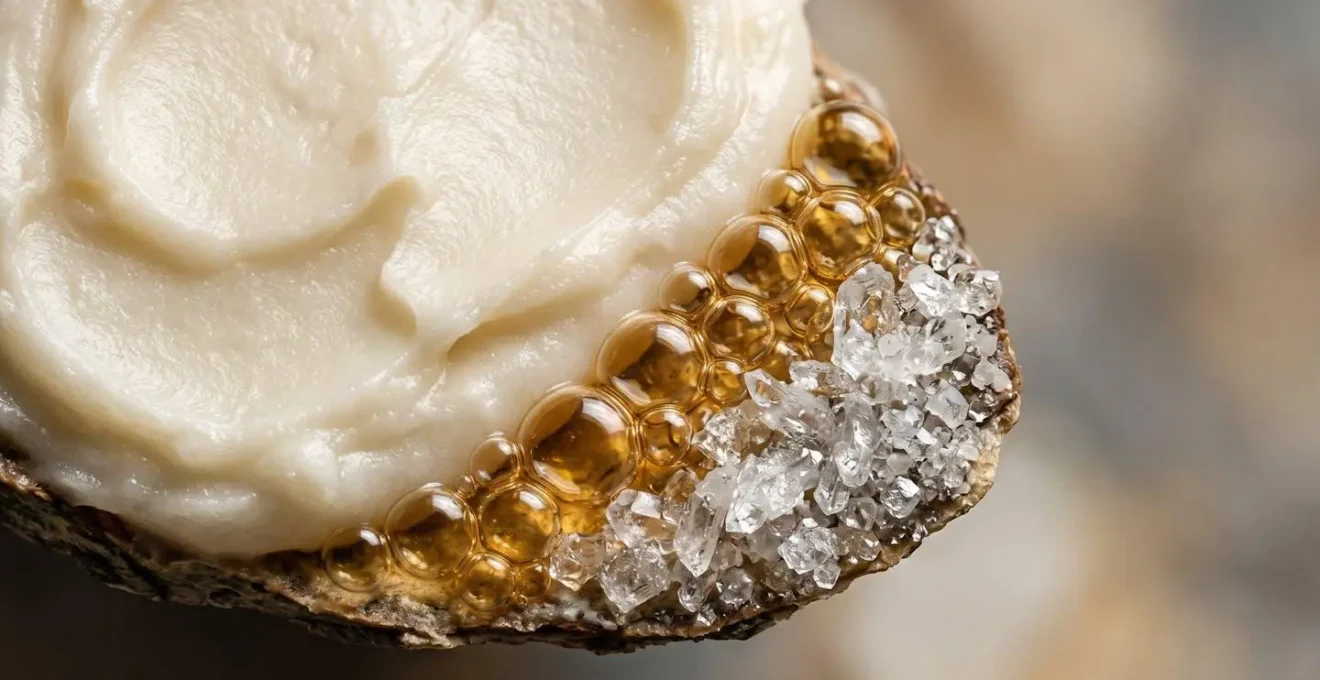
As this visualization suggests, these components work in synergy. A product heavy in just one type of lipid can potentially throw off the delicate balance. For instance, studies have found that a specific 3:1:1 ratio of lipids significantly speeds up the healing of compromised skin, more so than other combinations. When searching for a barrier cream, don’t just look for « ceramides » on the label; look for a formula that explicitly mentions this multi-lipid approach for true architectural reconstruction.
Skin Fasting: Should You Stop All Actives When Your Barrier Is Compromised?
In a word: yes. When your skin is actively stinging and inflamed, it’s in an emergency state. Continuing to apply potent active ingredients like retinoids, vitamin C, or exfoliating acids (AHAs, BHAs) is like trying to renovate a house during an earthquake. These ingredients work by creating controlled micro-stress or accelerating cell turnover, processes that a healthy barrier can manage. On a compromised barrier, however, they simply add more stress, increase inflammation, and deepen the microscopic cracks you’re trying to heal.
A « skin fast » is the essential first phase of repair. This involves stripping your routine back to the absolute basics for a period of one to four weeks, depending on the severity of the damage. A minimal, supportive routine should consist of only three steps: a gentle, non-stripping cleanser, a barrier-repair moisturizer (ideally with the 3:1:1 lipid ratio), and a broad-spectrum sunscreen during the day. This removes all potential irritants and gives your skin the space and resources it needs to focus on one thing: rebuilding its defenses.
Once the signs of distress—stinging, redness, and constant dryness—have subsided, you can begin to slowly reintroduce actives. Start with the gentlest first (like niacinamide or azelaic acid) only two or three times a week. Monitor your skin closely for any returning sensitivity before increasing frequency or adding another active. This methodical approach ensures the barrier remains stable.
Case Study: Clinical Efficacy of Barrier Repair in Atopic Dermatitis
A clinical study on patients with compromised barriers from atopic dermatitis provides a powerful real-world example. Subjects used a ceramide-dominant moisturizer formulated with the physiologic 3:1:1 lipid ratio. Actives were temporarily minimized or removed. After just three weeks, approximately 50% of participants achieved clear or almost-clear skin. This demonstrates that when you remove aggravating factors and provide the correct structural lipids, the skin has a remarkable capacity to restore itself, underscoring the effectiveness of a temporary « skin fast » combined with targeted barrier support.
Foam vs Cream Cleanser: Which Strips Less Oil from Your Skin?
A common myth in skincare is that all foaming cleansers are harsh and stripping, while cream cleansers are inherently gentle. This is an oversimplification. The potential for a cleanser to damage your skin barrier has less to do with its texture (foam, cream, or gel) and more to do with the type of cleansing agents, or surfactants, it uses. Surfactants are molecules that bind to oil and impurities, allowing them to be washed away with water.
Older, traditional foaming cleansers often relied on harsh surfactants like Sodium Lauryl Sulfate (SLS). These molecules are highly effective at cleansing but are indiscriminate; they strip away not only makeup and grime but also the essential lipids that form your barrier’s protective « mortar ». Indeed, clinical wound care research demonstrates that excessive soap usage and surfactants like sodium lauryl sulfate can significantly disrupt barrier function and increase TEWL. This is why they earned a reputation for being « stripping. »
However, cosmetic science has evolved. Modern formulations can create a satisfying foam using much gentler, new-generation surfactants. As one expert explains, the format is not the problem.
The stripping potential comes from the cleansing agent (surfactant), not the format. Modern surfactants like amino-acid or glucoside-based ones can create a gentle foam without compromising barrier function.
– Seweryn A., Advances in Colloid and Interface Science – Interactions between surfactants and the skin
When your barrier is compromised, your focus should be on reading the ingredient list. Look for cleansers formulated with mild surfactants like Coco-Glucoside, Decyl Glucoside, or Sodium Cocoyl Isethionate, and avoid those with SLS or SLES high up on the list. Whether it’s a cream or a gentle foam is a matter of personal preference, as long as the underlying surfactant technology is barrier-friendly.
The Acid Mantle: Why Using Alkaline Soap Destroys Your Skin’s Defense?
Beyond the lipid barrier, your skin has another crucial, invisible layer of defense: the acid mantle. This is a very thin film on the skin’s surface composed of sweat and sebum. As the name suggests, it is naturally acidic, with a healthy pH typically ranging from 4.5 to 5.5. This acidity is not a flaw; it’s a highly evolved defense mechanism that is essential for maintaining pH homeostasis.
Firstly, this acidic environment is inhospitable to many pathogenic bacteria, including the strains linked to acne (Cutibacterium acnes) and infections (Staphylococcus aureus). When you use a high-pH, alkaline cleanser—like a traditional bar of soap, which can have a pH of 9 or 10—you temporarily neutralize this protective acidity. This can allow harmful bacteria to proliferate. Research has shown that key antimicrobial peptides in our skin, like Dermcidin, are most effective at an acidic pH. One study found that Dermcidin had a greater than 90% bactericidal effect at pH 5.5, but this dropped to only 60% at a slightly less acidic pH of 6.5.
Secondly, the key enzymes responsible for producing and processing the lipids for your barrier (like ceramides) function optimally only within this narrow acidic pH range. When the skin’s surface becomes too alkaline, these enzymatic pathways slow down or shut off. This means that even if you are applying a perfect barrier cream, using an alkaline cleanser is actively sabotaging your skin’s own ability to synthesize the lipids it needs to heal itself. Maintaining an acidic pH is therefore a prerequisite for both defending against microbes and enabling proper lipid production.
Ceramide Production: How Niacinamide Boosts Your Skin’s Own Moisturizers?
While topically applying ceramides is an effective way to « patch » a broken barrier, a truly robust strategy also involves empowering your skin to ramp up its own production. This is where certain ingredients act less like temporary fixes and more like catalysts for your skin’s innate healing processes. Niacinamide (a form of Vitamin B3) is a prime example of this, playing a crucial role in enzymatic function.
Niacinamide itself is not a lipid. Instead, it serves as a precursor to essential coenzymes in your body called NAD and NADP. These coenzymes are vital « helpers » for the master enzyme in your skin, serine palmitoyltransferase, which kicks off the entire ceramide synthesis assembly line. By providing a topical supply of niacinamide, you are essentially ensuring the workers on this assembly line have the energy and tools they need to function at full capacity.

The results of this internal boost are clinically significant. Rather than just adding lipids from the outside, niacinamide helps your skin generate them from within. A landmark study demonstrated that applying 2% niacinamide directly led to a significant increase in the biosynthesis of ceramides and other key barrier lipids. This internal reinforcement translated to measurable external benefits: the study recorded a 27% reduction in TEWL and a significant increase in stratum corneum hydration. By stimulating your skin’s own ceramide factory, niacinamide helps rebuild the barrier from the inside out, leading to more resilient, self-sufficient skin.
Caffeine and Cortisol: Why Drinking Coffee on an Empty Stomach Is a Bad Idea?
Effective skin barrier repair isn’t just about what you put on your skin; it’s also about managing internal or systemic stressors that can sabotage your healing efforts. One of the most overlooked factors is the stress hormone, cortisol. Chronic elevation of cortisol is known to impair wound healing and can degrade collagen, but it also has a direct negative impact on barrier function by inhibiting the synthesis of essential lipids.
This is where your morning coffee ritual comes in. Your body’s cortisol levels naturally peak in the first hour after waking up to help you feel alert. Drinking caffeine, a powerful stimulant, during this peak period can cause an exaggerated cortisol spike. When you drink coffee on an empty stomach, this effect is even more pronounced as the caffeine is absorbed very rapidly. This repeated, sharp increase in cortisol can create a low-grade, systemic inflammatory environment that works directly against the calming, anti-inflammatory conditions your skin needs to repair itself.
This doesn’t mean you have to give up coffee entirely. It means being strategic about its consumption to minimize the cortisol response. Delaying your first cup until 60-90 minutes after waking, when cortisol levels have started to naturally decline, can make a significant difference. Furthermore, never drinking it on an empty stomach is key. Pairing your coffee with a meal rich in protein and fiber slows down caffeine absorption, leading to a gentler, more sustained release of energy without the dramatic hormonal spike. By managing this internal stressor, you create a more favorable biological environment for your topical products to work effectively.
Action Plan: Mitigating Caffeine’s Impact on Your Skin Barrier
- Wait 60-90 minutes after waking before your first coffee to avoid compounding the natural cortisol peak.
- Always pair your coffee with a meal, focusing on protein and fiber (like eggs or oatmeal) to slow caffeine absorption.
- Consider adding healthy fats like MCT oil or nut butter to your coffee to further blunt the metabolic stress response.
- Switch to green tea as an alternative; it contains L-theanine, which modulates caffeine’s effects for a less jarring stimulus.
- Limit total daily caffeine intake and avoid it after 2 PM to protect your sleep quality, as poor sleep also elevates cortisol.
Key Takeaways
- A damaged barrier is structurally compromised, causing high water loss (TEWL) and the stinging sensation from products.
- True repair requires a 3:1:1 ratio of ceramides, cholesterol, and fatty acids to rebuild the skin’s « lipid architecture. »
- Barrier health depends on maintaining the skin’s natural acidic pH (4.5-5.5), which is disrupted by alkaline cleansers.
Why Is Niacinamide the Holy Grail Ingredient for Oily and Textured Skin?
Now that we’ve established the foundational principles of barrier repair, it’s time to connect them to a broader goal: achieving balanced, healthy skin long-term. Niacinamide stands out as a uniquely versatile ingredient because it addresses both the symptoms of a damaged barrier and the underlying issues common in oily and breakout-prone skin. It is the perfect ingredient to not only heal damage but also maintain skin health moving forward.
As we’ve seen, niacinamide is a powerhouse for barrier repair because it boosts the skin’s own production of ceramides, strengthening its structure from within. This is crucial for all skin types, but especially for those with oily skin who may have a compromised barrier due to harsh acne treatments. A stronger barrier is better at managing inflammation, which is a key driver of breakouts.
But niacinamide’s benefits don’t stop there. It is also clinically proven to help regulate sebum (oil) production. By balancing the amount of oil your skin produces, it helps to reduce shine and can minimize the appearance of enlarged pores over time. This dual-action functionality is what makes it a « holy grail » ingredient. It simultaneously strengthens the skin’s defenses while controlling the excess oil that can lead to congestion and texture. It’s an ingredient that builds resilience while promoting clarity, making it an ideal choice for transitioning out of the acute « skin fast » phase and into a long-term maintenance routine for a healthy, balanced complexion.
Ultimately, repairing and maintaining your skin barrier is about adopting an intelligent, holistic approach. By moving beyond surface-level fixes and understanding the biochemical needs of your skin, you can build a resilient, comfortable, and truly healthy complexion. Start today by implementing these principles to transform your skin’s long-term health.